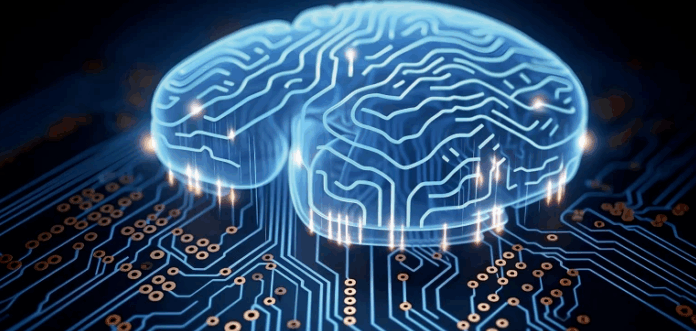
 世界のニューロモーフィックコンピューティング・センシング市場 2026-2036年The Global Neuromorphic Computing & Sensing Market 2026-2036 グローバルなニューロモーフィック・コンピューティングおよびセンシング市場は、半導体開発における最も変革的なフロンティアの一つであり、従来のデジタルおよび量子コンピューティングのパラダイムに... もっと見る

出版社
Future Markets, inc.
フューチャーマーケッツインク 出版年月
2026年1月28日
電子版価格
納期
PDF:3-5営業日程度
ページ数
351
図表数
143
言語
英語

サマリー
グローバルなニューロモーフィック・コンピューティングおよびセンシング市場は、半導体開発における最も変革的なフロンティアの一つであり、従来のデジタルおよび量子コンピューティングのパラダイムに並ぶ「第三の潮流」として台頭している。この脳にヒントを得た技術は、従来のフォン・ノイマン型設計から根本的に離れたアーキテクチャを通じて情報を処理し、メモリと処理ユニットを同一配置することで、従来のCPUやGPUの性能を制限するエネルギー集約的なデータシャトルを排除する。 国際エネルギー機関(IEA)によれば、データセンターの電力消費量は2030年までに世界の電力消費量の3%に達する可能性があり、その主な要因はニューラルネットワークのシミュレーションに伴う計算需要である。ニューロモーフィックコンピューティングは、二進数列によるシミュレーションではなくハードウェアでニューラルネットワークを実装することで、この持続可能性課題に直接対処する。 インテルのニューロモーフィックプロセッサ「Loihi 2」は特定推論タスクにおいて従来プロセッサ比最大100倍の省エネルギー性を実証。BrainChipの「Akida Pulsar」は従来型AIコア比500倍の低消費電力を実現している。
競争環境は、確立されたテクノロジー大手から革新的なスタートアップまでを網羅する多様なエコシステムが特徴である。2024年にサンディア国立研究所に導入されたインテルのHala Pointシステムは、1,152個のLoihi 2プロセッサに11億5,000万個のニューロンを配置した世界最大のニューロモーフィックプラットフォームである。 IBMの基盤技術であるTrueNorthはニューロシナプティック研究を通じて進化を続け、BrainChipはAkidaプロセッサを世界中の数百万台のIoTデバイスに商用展開している。欧州勢は英国ニューロモーフィックコンピューティング多分野研究センターなどの取り組みで加速中であり、SynSenseやHuaweiを含む中国企業はIoTやスマートシティ分野で重要な応用を推進している。
採用を推進する主要な応用分野には、エッジAIとIoTが含まれ、ニューロモーフィックチップによりスマートセンサー、ドローン、自律走行車が最小限の電力消費でリアルタイムの意思決定を可能にする。 医療分野では、携帯型診断装置、心疾患異常を検知するウェアラブルモニター、人間と機械のシームレスなコミュニケーションを可能にするブレイン・コンピュータ・インターフェース(BCI)などへの応用が広がっている。サイバーセキュリティは即時の商業的実現可能性を有する領域であり、ニューロモーフィックシステムはネットワークトラフィックの微細な異常検知に優れている。金融サービスでは、複雑なデータストリームにおける高頻度取引分析や不正検知が活用され、産業分野では予知保全、品質検査、サプライチェーン最適化などが応用範囲に含まれる。
成長が期待される一方で、市場はスケーラビリティの制約、既存インフラとの統合の複雑さ、標準化されたプログラミングフレームワークの必要性といった重大な課題に直面している。ソフトウェアエコシステムは従来型コンピューティングに比べて未発達であり、ニューロモーフィックハードウェア向けに最適化されたアルゴリズムの開発には根本的に新しいアプローチが必要だ。しかし、アナログ実装に代わるデジタルニューロモーフィック設計の進歩や、ニューロモーフィック中間表現(NIR)のような標準化の取り組みが、これらの障壁を徐々に解消しつつある。
爆発的に増加するAIワークロード、エッジデバイスの普及、高まるエネルギー持続可能性要件の収束により、ニューロモーフィックコンピューティングは重要な転換点に立っている。研究機関から商用製品への移行が進む中、より知的で適応性が高くエネルギー効率に優れた計算を実現する可能性は、2035年以降も進化するAI環境においてニューロモーフィックシステムが中心的な役割を担うことを示唆している。
『グローバルニューロモーフィックコンピューティング&センシング市場 2026-2036』は、デジタル技術や量子技術と並ぶ「第三の潮流」として認知される脳型コンピューティング産業の急速な進化を包括的に分析する。本決定版市場調査レポートは、人工知能ハードウェア分野で最も急成長するセグメントの一つを活用しようとする投資家、技術戦略担当者、業界関係者に実践的な知見を提供する。
ニューロモーフィック・コンピューティングは、生物学的神経ネットワークから直接着想を得て、前例のないエネルギー効率とリアルタイム処理能力を実現する、機械の情報処理方法におけるパラダイムシフトを表しています。従来のAIワークロードにより、2030年までにデータセンターが世界の電力消費量の3%を占めると予測される中、ニューロモーフィック技術は持続可能な道筋を提供します。 本報告書は、ハードウェア、ソフトウェア、センサー、アプリケーションにまたがる完全なニューロモーフィック・エコシステムを、広範な調査に基づいて検証します。 分析対象はスパイク神経ネットワーク、相変化メモリ(PCM)、抵抗性RAM(RRAM)、磁気抵抗RAM(MRAM)、強誘電体RAM(FeRAM)などの新興不揮発性メモリ技術に加え、デジタル・アナログ・混合信号ニューロモーフィックプロセッサアーキテクチャの詳細評価を含む。
本レポートは、技術タイプ、アプリケーション分野、地域別に細分化した詳細な市場予測を2036年まで提供します。分析対象の主要アプリケーション分野には、モバイル・民生用電子機器、自動車・輸送機器、産業製造、医療・医療機器、航空宇宙・防衛、データセンターインフラが含まれます。地域分析は北米、欧州、アジア太平洋、その他の地域市場を網羅し、国別の洞察を提供します。
重要な技術開発を徹底的に検証。インテルの画期的な11億5000万ニューロン搭載Hala Pointシステム、InnateraのサブミリワットT1プロセッサ、500倍の省エネルギーを実現するBrainChipのAkida Pulsar、中国科学院のSpikingBrain-1.0モデルなどを網羅。 ソフトウェアエコシステム分析では、インテルのLavaフレームワーク、ニューロモーフィック中間表現(NIR)の標準化活動、開発者アクセシビリティを推進するPyTorchベースのSNNライブラリを網羅。
戦略的ビジネスインテリジェンスには、包括的な競合環境分析、資金調達・投資動向追跡、M&A活動、業界のダイナミクスを形作るパートナーシップ展開が含まれます。本レポートでは、半導体大手から脳型コンピューティングソリューションを開拓する革新的なスタートアップまで、ニューロモーフィック・バリューチェーン全体にわたる149社をプロファイリングしています。
分析対象の市場推進要因には、従来型AIの持続不可能なエネルギー消費経路、エッジデバイスの普及拡大、自動運転車開発、商用ニューロモーフィックハードウェアにおける画期的成果が含まれる。対処すべき課題にはプログラミングパラダイムのギャップ、製造の拡張性、ソフトウェアエコシステムの断片化、開発者人材不足があり、解決までのタイムラインは2036年まで予測されている。
本レポートは、短期的な商用化から長期的な研究展望までを網羅する技術ロードマップを提供し、製品開発、投資タイミング、市場参入決定のための戦略的計画立案を可能にします。比較分析では、量子コンピューティング、フォトニックコンピューティング、アナログAIチップなど競合する新興技術との対比でニューロモーフィックコンピューティングを位置付けます。
IDCは、2030年までにエッジAIデバイスの30%をニューロモーフィック技術が支えると予測しており、これは人工知能インフラの根本的な変革を意味する。 自律走行車、ヒューマノイドロボット、ブレイン・コンピュータ・インターフェース、サイバーセキュリティ、省エネルギー型データセンターなど、幅広い応用分野が産業横断的な導入を推進している。本レポートは、ニューロモーフィックコンピューティングおよびセンシング技術に関する権威ある市場情報を必要とする技術幹部、ベンチャーキャピタル投資家、企業戦略担当者、半導体メーカー、システムインテグレーター、政府政策立案者を対象とする。一次調査、企業開示情報、特許分析、専門家インタビューを統合した分析により、この変革的な市場に関する最も包括的な評価を提供する。
レポート内容:
本レポートでは、ニューロモーフィックコンピューティングおよびセンシング業界を牽引する149社の主要企業について詳細なプロファイルを掲載:ABR(Applied Brain Research)、AiM Future、AI Startek、AI Storm、AlpsenTek、Amazon Web Services(AWS)、Ambarella、Ambient Scientific、Advanced Micro Devices(AMD)、ANAFLASH、 アナログ・インファレンス、アナザーブレイン、アップル、ARM、アリバレ・テクノロジーズ、アスピニティ、アスピラーレ・セミ、アバランチ・テクノロジー、アクセレラAI、バイドゥ、北京新智達ニューロテクノロジー、ブルマインド、BMW、ボッシュ、ブレインチップ、キヤノン、CEA-Leti、セレピクセル、セレスティアルAI、セレブラス・システムズ、セリックス・メディカル、セバ、チップインテリ、クラリファイ、 CoCoPIE、Cognifiber、Crossbar Inc.、d-Matrix、DeepLite、DeepX、Dialog Semiconductor、Dynex、EdgeCortix、Eeasy Technology、Evomotion、Expedera、Fullhan、General Vision、GlobalFoundries、Google、Gorilla Technology、GrAI Matter Labs、Green Mountain Semiconductor、Grayscale AI、Groq、Gwanak Analog Co. Ltd.、 Hailo、HPLabs、Hikvision、Huawei、IBM、Infineon Technologies AG、iniVation AG、Innatera Nanosystems B.V.、Instar-Robotics、Intel、Intelligent Hardware Korea (IHWK)、Intrinsic Semiconductor Technologies、Kalray SA、 韓国科学技術研究院(KIST)、コニク、クネロン、ノウム、ライトマター、ルマイ、リンクシ・テクノロジー、マートエックス、メディアテック、メモコンピューティング、メモリックス、メンティウム・テクノロジーズ、メタ、マイクロソフト、マインドトレース、モフェットAI、ミシック、ミシックワークスなど。
目次
1 エグゼクティブサマリー
1.1 ニューロモーフィック・コンピューティングおよびセンシング市場の概要
1.1.1 市場パフォーマンス 2024-2025年
1.1.2 2036年までの改訂長期予測
1.1.3 世界の市場収益 2024-2036年
1.1.4 市場セグメンテーション
1.2 ムーアの法則の終焉
1.3 歴史的市場
1.4 2024年の市場
1.5 主要な市場動向と成長要因
1.6 市場の課題と制約
1.7 主要な業界インサイト
1.7.1 アナログ実装に取って代わるデジタルニューロモーフィック設計
1.7.2 プログラミングパラダイムのギャップ
1.7.3 コストとスケーラビリティに関する考察
1.8 将来展望と機会
1.8.1 新興トレンド
1.8.1.1 ハイブリッド神経形態・従来型コンピューティングおよびセンシングシステム
1.8.1.2 エッジAIとIoT
1.8.1.3 量子コンピューティング
1.8.1.4 説明可能なAI
1.8.1.5 ブレイン・コンピュータ・インターフェース
1.8.1.6 大規模なエネルギー効率の高いAI
1.8.1.7 リアルタイム学習と適応
1.8.1.8 強化知覚システム
1.8.1.9 大規模神経科学シミュレーション
1.8.1.10 分散型セキュアAI
1.8.1.11 人間を模倣するロボティクス
1.8.1.12 医療用神経インプラント
1.8.1.13 新たな応用分野とユースケース
1.8.1.14 破壊的ビジネスモデルとサービス
1.8.1.15 協調的エコシステム開発
1.8.1.16 スキル開発と労働力トレーニング
1.8.2 技術ロードマップ
1.9 主要製品の発売(2024-2025年)
1.9.1 インテル ハラポイント システム (2024年4月)
1.9.2 Innatera T1 SNPプロセッサ(CES 2025)
1.9.3 ブレインチップアキダパルサー
1.9.4 BrainChip アキダクラウド (2025年8月)
1.9.5 SynSense スペック 2.0
1.9.6 中国科学院 SpikenBrain-1.0
1.10 ニューロモーフィックコンピューティングと生成AI
1.11 市場バリューチェーン
1.12 市場マップ
1.13 資金調達と投資
1.14 戦略的提携と協力関係
1.15 戦略的買収と提携
1.16 規制および倫理的考慮事項
1.16.1 データプライバシーとセキュリティ
1.16.2 ニューロモーフィックシステムにおけるバイアスと公平性
1.16.3 知的財産と特許の動向
1.17 持続可能性と環境への影響
1.17.1 ニューロモーフィックシステムのカーボンフットプリント分析
1.17.2 省エネルギー指標とベンチマーク
1.17.3 グリーン製造手法
1.17.4 廃棄時およびリサイクルに関する考慮事項
1.17.5 環境規制への準拠
2 はじめに
2.1 ニューロモーフィック・コンピューティングおよびセンシングの定義と概念
2.2 主なニューロモーフィックアプローチ
2.2.1 大規模ハードウェアニューロモーフィック計算システム
2.2.2 不揮発性メモリ技術
2.2.3 先進的なメムリスト材料およびデバイス
2.3 ニューロモーフィックシステムのための製造プロセス
2.4 主要材料サプライヤー
2.5 サプライチェーンの脆弱性と緩和策
2.6 製造能力分析
2.7 品質管理および試験手順
2.8 従来のコンピューティングおよびセンシング手法との比較
2.9 ニューロモーフィックコンピューティングと量子コンピューティングの比較
2.10 主要な特徴と利点
2.10.1 低レイテンシとリアルタイム処理
2.10.2 電力効率と省エネルギー
2.10.3 スケーラビリティと適応性
2.10.4 オンライン学習と自律的意思決定
2.11 市場と応用
2.11.1 エッジAIとIoT
2.11.2 自動運転車とロボティクス
2.11.3 サイバーセキュリティと異常検知
2.11.4 スマートセンサーと監視システム
2.11.5 データセンターと高性能コンピューティング
3 ニューロモーフィックコンピューティング技術とアーキテクチャ
3.1 スパイクニューラルネットワーク(SNNs)
3.1.1 生物学的インスピレーションと原理
3.1.2 SNNの種類とその特性
3.1.3 神経ネットワークの利点と限界
3.2 ニューロモーフィックコンピューティングのためのメモリアーキテクチャ
3.2.1 従来型メモリアプローチ(SRAM、DRAM)
3.2.2 新興不揮発性メモリ(eNVM)技術
3.2.2.1 相変化メモリ(PCM)
3.2.2.2 抵抗変化型RAM(RRAM)
3.2.2.3 磁気抵抗メモリ(MRAM)
3.2.2.4 強誘電体RAM(FeRAM)
3.2.3 インメモリコンピューティングおよびニアメモリコンピューティング
3.2.4 ハイブリッドメモリアーキテクチャ
3.3 ニューロモーフィックハードウェアとプロセッサ
3.3.1 デジタルニューロモーフィックプロセッサ
3.3.2 アナログニューロモーフィックプロセッサ
3.3.3 混合信号ニューロモーフィックプロセッサ
3.3.4 FPGA ベースのニューロモーフィックシステム
3.3.5 ニューロモーフィックアクセラレータおよびコプロセッサ
3.4 ニューロモーフィックコンピューティングのためのソフトウェアとフレームワーク
3.4.1 神経形態プログラミング言語とツール
3.4.2 ニューロモーフィックシミュレーションプラットフォームとフレームワーク
3.4.3 ソフトウェアおよびプログラミングエコシステムの開発
3.4.3.1 Intel Lava Framework
3.4.3.2 ニューロモーフィック中間表現(NIR)
3.4.3.3 PyTorchベースのSNNライブラリ
3.4.3.4 Nengo クロスプラットフォームフレームワーク
3.4.4 神経形態学的アルゴリズムライブラリとリポジトリ
3.4.5 ニューロモーフィックソフトウェア開発キット(SDK)
4 神経形態センシング技術とアーキテクチャ
4.1 イベントベースのセンサーと処理
4.1.1 ニューロモーフィック視覚センサー
4.1.2 神経形態聴覚センサー
4.1.3 神経形態学的嗅覚センサー
4.1.4 イベント駆動型処理とアルゴリズム
4.2 ハイブリッドセンシングアプローチ
4.2.1 従来型センサーとイベントベースセンサーの組み合わせ
4.2.2 複数のセンシングモダリティの融合
4.2.3 ハイブリッドセンシングの利点と課題
4.3 ニューロモーフィックセンサーのアーキテクチャと設計
4.3.1 ピクセルレベル処理と計算
4.3.2 センサー・プロセッサの共同設計と統合
4.3.3 生物にヒントを得たセンサー設計と材料
4.4 信号処理および特徴抽出技術
4.4.1 スパイクベースの符号化と復号
4.4.2 時間的および時空間的特徴抽出
4.4.3 ニューロモーフィックフィルタリングとノイズ除去
4.4.4 適応および学習ベースの処理
5 市場分析と予測
5.1 商業導入のハイライト 2025
5.1.1 IoT およびエッジ導入
5.1.2 自動車アプリケーション:メルセデス・ベンツ
5.1.3 電気通信:エリクソン・リサーチ
5.1.4 医療:ALYN病院コラボレーション
5.1.5 サイバーセキュリティアプリケーション
5.2 モバイルおよび消費者向けアプリケーション
5.2.1 スマートフォンおよびウェアラブル
5.2.2 スマートホームおよびIoTデバイス
5.2.3 消費者向け健康・ウェルネス
5.2.4 エンターテインメントおよびゲーム
5.3 自動車および輸送
5.3.1 先進運転支援システム(ADAS)
5.3.2 自動運転車とロボタクシー
5.3.3 車両インフォテインメントとユーザー体験
5.3.4 スマート交通管理とインフラストラクチャ
5.4 産業・製造
5.4.1 産業用IoTとスマートファクトリー
5.4.2 予知保全と異常検知
5.4.3 品質管理と検査
5.4.4 物流とサプライチェーンの最適化
5.5 ヘルスケアおよび医療機器
5.5.1 医療用画像診断
5.5.2 ウェアラブル健康モニタリングデバイス
5.5.3 個別化医療と創薬
5.5.4 支援技術と義肢
5.6 航空宇宙および防衛
5.6.1 無人航空機(UAV)およびドローン
5.6.2 衛星画像およびリモートセンシング
5.6.3 ミサイル誘導と目標認識
5.6.4 サイバーセキュリティと脅威検知:
5.7 データセンターおよびクラウドサービス
5.7.1 高性能コンピューティングおよび科学シミュレーション:
5.7.2 ビッグデータ分析と機械学習
5.7.3 クラウドベースのAIサービスとプラットフォーム
5.7.4 エネルギー効率の高いデータセンターインフラ
5.8 地域別市場分析および予測
5.8.1 北米
5.8.2 ヨーロッパ
5.8.3 アジア太平洋地域
5.8.4 その他の地域
5.8.5 最近の地域動向
5.9 競争環境と主要プレイヤー
5.9.1 ニューロモーフィックコンピューティングおよびセンシングエコシステムの概要
5.9.2 ニューロモーフィックチップメーカーとプロセッサ
5.9.3 ニューロモーフィックセンサーメーカー
5.9.4 新興不揮発性メモリ(eNVM)メーカー
5.9.5 ニューロモーフィックソフトウェアおよびフレームワークプロバイダー
5.9.6 研究機関および学術界
5.10 競合する新興技術
5.10.1 量子コンピューティング
5.10.2 フォトニックコンピューティング
5.10.3 DNAコンピューティング
5.10.4 スピントロニクス・コンピューティング
5.10.5 化学コンピューティング
5.10.6 超電導コンピューティング
5.10.7 アナログ AI チップ
5.10.8 インメモリコンピューティング
5.10.9 可逆コンピューティング
5.10.10 量子ドットコンピューティング
5.10.11 技術代替分析
5.10.12 移行経路
5.10.13 比較優位/劣位
6 企業プロファイル (149社)
7 研究の範囲と方法論
8 参考文献
図表リスト
表の一覧
表1 神経形態コンピューティングおよびセンシング市場の概要
表2 ニューロモーフィックコンピューティングおよびセンサーの世界市場規模(2024-2036年)(単位:百万米ドル)
表3 ニューロモーフィックコンピューティングおよびセンシング市場のセグメンテーション 2020-2036年
表4 主要な市場動向と成長要因
表5 市場の課題と制約
表6 ニューロモーフィックコンピューティングおよびセンシングにおける新興トレンド
表7 主要製品リリース概要表
表8 ニューロモーフィックコンピューティングと生成AI戦略
表9 ニューロモーフィックコンピューティングおよびセンシングへの資金調達と投資
表10 ニューロモーフィック産業における戦略的提携と協力関係
表11 ニューロモーフィックコンピューティング&センシングの規制と倫理的考慮事項
表12 主なニューロモーフィックセンシング手法
表13 主なニューロモーフィックコンピューティング手法
表14 抵抗性不揮発性メモリ(NVM)技術
表15 先進的なメムリスト材料、デバイス、および新規計算概念
表16 ニューロモーフィックシステムの製造プロセス
表17 主要材料サプライヤーと依存関係
表18 従来型コンピューティングおよびセンシング手法との比較
表19 ニューロモーフィックと量子コンピューティングの比較
表20 ニューロモーフィック計算とセンシングの主要な特徴と利点
表21 ニューロモーフィック計算・センシングの市場と応用
表22 フォン・ノイマンアーキテクチャとニューロモーフィックアーキテクチャの比較
表23 SNNの種類とその特性
表24 SNNの利点と限界
表25 従来型メモリ方式(SRAM、DRAM)
表26 新興不揮発性メモリ(eNVM)技術
表27 ハイブリッドメモリアーキテクチャ
表28 神経形態アクセラレータとコプロセッサ
表29 神経形態プログラミング言語とツール
表30 ニューロモーフィックシミュレーションプラットフォームとフレームワーク
表30 ニューロモーフィックソフトウェアエコシステム 2025-2036年
表30 ソフトウェアエコシステムの成熟度タイムライン
表31 神経形態アルゴリズムライブラリとリポジトリ
表32 ニューロモーフィックソフトウェア開発キット(SDK)
表33 ハイブリッドセンシング手法
表34 ハイブリッドセンシングの利点と課題
表35 生体模倣型センサー設計と材料
表36 信号処理と特徴抽出技術
表37 スマートフォンおよびウェアラブル機器におけるニューロモーフィックコンピューティングとセンシングの応用-利点、制限、およびアプリケーション別の市場浸透可能性
表38 スマートホームおよびIoTデバイスにおけるニューロモーフィックコンピューティングとセンシングの応用-利点、制限、およびアプリケーション別の市場浸透可能性
表39 消費者向け健康・ウェルネス分野におけるニューロモーフィックコンピューティングとセンシングの応用―利点、制限、およびアプリケーション別の市場浸透可能性
表40 エンターテインメント・ゲーミング分野におけるニューロモーフィックコンピューティングとセンシングの応用-利点、制約、およびアプリケーション別の市場浸透可能性
表41 モバイルおよびコンシューマーアプリケーションにおける世界ニューロモーフィックコンピューティングおよびセンシング市場規模と予測(2024-2036年)、百万米ドル
表42 先進運転支援システム(ADAS)におけるニューロモーフィックコンピューティングおよびセンシングの応用-アプリケーション別優位性、制約、市場浸透可能性
表43 自動運転車およびロボットタクシーにおけるニューロモーフィックコンピューティングおよびセンシングの応用-利点、制限事項、およびアプリケーション別の市場浸透可能性
表44 車両インフォテインメントおよびユーザー体験におけるニューロモーフィックコンピューティングとセンシングの応用-利点、制約、およびアプリケーション別の市場浸透可能性
表45 車両インフォテインメントおよびユーザー体験におけるニューロモーフィックコンピューティングおよびセンシングの応用-アプリケーション別の利点、制限、市場浸透の可能性
表46 自動車・輸送分野における世界ニューロモーフィックコンピューティング・センシング市場規模と予測(2024-2036年)、百万米ドル
表47 産業用IoTおよびスマート工場におけるニューロモーフィックコンピューティングとセンシングの応用-アプリケーション別優位性、制約、市場浸透可能性
表48 産業用IoTおよびスマート工場におけるニューロモーフィックコンピューティングおよびセンシングの応用-アプリケーション別利点、制約、市場浸透可能性
表49 品質管理・検査におけるニューロモーフィックコンピューティングとセンシングの応用-利点、制限、およびアプリケーション別の市場浸透可能性
表50 物流・サプライチェーン最適化におけるニューロモーフィックコンピューティングとセンシングの応用-アプリケーション別利点、制約、市場浸透可能性
表51 産業・製造分野における世界ニューロモーフィックコンピューティング・センシング市場規模と予測(2024-2036年)、百万米ドル
表52 医療画像診断におけるニューロモーフィックコンピューティングとセンシングの応用-利点、制約、およびアプリケーション別の市場浸透可能性
表53 ウェアラブル健康モニタリングデバイスにおけるニューロモーフィックコンピューティングおよびセンシングの応用-利点、制約、およびアプリケーション別の市場浸透可能性
表54 個別化医療および創薬におけるニューロモーフィックコンピューティングおよびセンシングの応用-利点、制限、およびアプリケーション別の市場浸透可能性
表55 支援技術および義肢におけるニューロモーフィックコンピューティングおよびセンシングの応用-利点、制限、およびアプリケーション別の市場浸透可能性
表56 ヘルスケア・医療機器分野における世界ニューロモーフィックコンピューティング・センシング市場規模と予測(2024-2036年)、単位:百万米ドル
表57 無人航空機(UAV)およびドローンにおけるニューロモーフィックコンピューティングとセンシングの応用-利点、制約、およびアプリケーション別の市場浸透可能性
表58 衛星画像・リモートセンシングにおけるニューロモーフィックコンピューティングとセンシングの応用-利点、制限、およびアプリケーション別の市場浸透可能性
表59 ミサイル誘導および目標認識におけるニューロモーフィックコンピューティングおよびセンシングの応用-利点、制限、およびアプリケーション別の市場浸透可能性
表60 サイバーセキュリティおよび脅威検知におけるニューロモーフィックコンピューティングとセンシングの応用-利点、制限、およびアプリケーション別の市場浸透可能性
表61 航空宇宙・防衛分野における世界ニューロモーフィックコンピューティング・センシング市場規模と予測(2024-2036年)、単位:百万米ドル
表62 高性能コンピューティングおよび科学シミュレーションにおけるニューロモーフィックコンピューティングおよびセンシングの応用-利点、制限、およびアプリケーション別の市場浸透可能性
表63 ビッグデータ分析および機械学習におけるニューロモーフィックコンピューティングおよびセンシングの応用-アプリケーション別の利点、制限、市場浸透の可能性
表64 クラウドベースAIサービス・プラットフォームにおけるニューロモーフィックコンピューティングとセンシングの応用-利点、制約、およびアプリケーション別市場浸透可能性
表65 エネルギー効率型データセンターインフラにおけるニューロモーフィックコンピューティングとセンシングの応用-利点、制約、およびアプリケーション別の市場浸透可能性
表66 データセンターおよびクラウドサービスにおける世界ニューロモーフィックコンピューティング・センシング市場規模と予測(2024-2036年)、百万米ドル
表67 2024-2036年における地域別ニューロモーフィックコンピューティングおよびセンシングの市場収益(百万米ドル)
表68 北米におけるニューロモーフィックコンピューティングおよびセンシング市場規模と予測(2024-2036年)、百万米ドル
表69 ニューロモーフィックコンピューティングおよびセンシング市場規模と予測、欧州(2024-2036年)、百万米ドル
表70 アジア太平洋地域のニューロモーフィックコンピューティングおよびセンシング市場規模と予測(2024-2036年)、百万米ドル
表71 ニューロモーフィックコンピューティングおよびセンシング市場規模と予測、その他の地域(2024-2036年)、百万米ドル
表72 ニューロモーフィックチップメーカーとその製品提供内容
表73 ニューロモーフィックセンサーメーカーとその製品ラインアップ
表74 新興不揮発性メモリ(eNVM)メーカーと製品ラインアップ
表75 ニューロモーフィックソフトウェアおよびフレームワークプロバイダーとそのソリューション
表76 ニューロモーフィック・コンピューティングおよびセンシング分野における主要研究機関および学術機関
表77 神経形態コンピューティングおよびセンシングにおける競合する新興技術
表78 技術代替分析
表79 比較優位/劣位の分析
表80 Apple Neural Engineの進化
表81 ダイネックスのサブスクリプションプラン
図の一覧
図1 ニューロモーフィックコンピューティングおよびセンサーの世界市場、2023-2036年(百万米ドル)
図2 ニューロモーフィックコンピューティングおよびセンシング市場セグメンテーション 2020-2036年
図3 ニューロモーフィックコンピューティングおよびセンシング技術ロードマップ
図4 ニューロモーフィックコンピューティングおよびセンシングの市場バリューチェーン
図5 ニューロモーフィックコンピューティングおよびセンシング市場マップ
図6 ニューロモーフィックコンピューティング向け主要ハードウェア技術の進化
図7 ニューロモーフィックコンピューティング向けNVM技術における主要材料
図8 神経形態コンピューティング向け先進的メムリスト材料
図9 自動運転車両におけるニューラルネットワーク
図10 ロボティクスにおける集中型・分散型知能の概念図
図11 SynSense社が開発した動的視覚機能を備えたニューロモルフィックプログラマブルロボット「 」
図12 高レベル従来型とニューロモーフィック記憶アーキテクチャの比較
図13 スパイク神経ネットワーク(SNN)の構造と動作
図14 IBM TrueNorthプロセッサ
図15 イベントベースセンサーの動作とデータ処理フロー
図16 従来型センサーとイベントベースセンサーの比較
図17 ニューロモーフィック視覚センサーの動作
図18 Cyranose 320 電子鼻
図19 静的・動的情報を統合したイベントベース視覚センサー「Alpix-Pilatus」プラットフォーム
図20 2024-2025年 商業応用マイルストーン
図20 アプリケーション市場浸透タイムライン
図20 モバイルおよび民生向けアプリケーションにおけるニューロモーフィックコンピューティングおよびセンシングの技術ロードマップ
図21 モバイルおよび民生向けアプリケーションにおける世界ニューロモーフィックコンピューティング・センシング市場規模と予測(2024-2036年)、百万米ドル
図22 自動車・輸送分野におけるニューロモーフィックコンピューティングおよびセンシングの技術ロードマップ
図23 ADAS(先進運転支援システム)で使用されるセンサー
図24 自動運転車を実現する基盤技術
図25 ニューロモーフィックコンピューティングとセンシングを備えた自動運転車アーキテクチャ
図26 自動車・輸送分野における世界ニューロモーフィックコンピューティング・センシング市場規模と予測(2024-2036年)、百万米ドル
図27 産業・製造分野におけるニューロモーフィックコンピューティングおよびセンシングの技術ロードマップ
図28 産業・製造分野における世界ニューロモーフィックコンピューティングおよびセンシング市場規模と予測(2024-2036年)、百万米ドル
図29 ヘルスケア・医療機器分野におけるニューロモーフィックコンピューティングとセンシングの技術ロードマップ
図30 神経形態コンピューティングおよびセンシング機能を備えたウェアラブル医療機器
図31 ニューロモーフィックコンピューティング、ヒューマノイドロボット、神経義肢用フレキシブルニューロモーフィックエレクトロニクス
図32 ヘルスケア・医療機器分野における世界ニューロモーフィックコンピューティング・センシング市場規模と予測(2024-2036年)、百万米ドル
図33 航空宇宙・防衛分野におけるニューロモーフィックコンピューティングとセンシングの技術ロードマップ
図34 自律飛行のためのニューロモーフィックセンサーへ至る、生物にヒントを得た行動からの概略ルート
図35 航空宇宙・防衛分野における世界的なニューロモーフィックコンピューティングおよびセンシング市場規模と予測(2024-2036年)、百万米ドル
図36 データセンターおよびクラウドサービスにおけるニューロモーフィックコンピューティングおよびセンシングの技術ロードマップ
図37 データセンターおよびクラウドサービスにおける世界的なニューロモーフィックコンピューティングおよびセンシングの市場規模と予測(2024-2036年)、百万米ドル
図38 北米におけるニューロモーフィックコンピューティングおよびセンシングの世界市場規模と予測(2024-2036年)、百万米ドル
図39 欧州におけるニューロモーフィック・コンピューティングおよびセンシングの世界市場規模と予測(2024-2036年)、百万米ドル
図40 グローバルニューロモーフィックコンピューティングおよびセンシング市場規模と予測、アジア太平洋地域(2024-2036年)、百万米ドル
図41 世界のニューロモーフィックコンピューティングおよびセンシング市場規模と予測、その他の地域(2024-2036年)、百万米ドル
図42 ニューロモーフィックコンピューティングおよびセンシングのエコシステム概要
図43 Cerebas WSE-2
図44 DeepX NPU DX-GEN1
図45 Google TPU
図46 GrAI VIP
図47 Groq Tensor Streaming Processor (TSP)
図48 DVL-5000 ニューロモーフィックレーザープロファイラー
図49 スパイキングニューラルプロセッサ
図50 TROOPERロボット
図51 第11世代インテル® Core™ Sシリーズ
図52 第11世代 インテル® Loihi 2チップ
図53 Envise
図54 Pentonic 2000
図55 Azure Maia 100 および Cobalt 100 チップ
図56 Mythic MP10304 クワッド-AMP PCIe カード
図57 Nvidia H200 AIチップ
図58 グレース・ホッパー・スーパーチップ
図59 Prophesee Metavision スターターキット ? AMD Kria KV260 およびアクティブマーカーLEDボード
図60 Cloud AI 100
図61 「SpiNNcloud」クラウドシステムおよびエッジシステム向け SpiNNaker2 アーキテクチャ概要
図62 アンテザーAIチップ

Summary
The Global Neuromorphic Computing and Sensing Market represents one of the most transformative frontiers in semiconductor development, emerging as the "third stream" alongside traditional digital and quantum computing paradigms. This brain-inspired technology processes information through architectures that fundamentally depart from conventional von Neumann designs, co-locating memory and processing units to eliminate the energy-intensive data shuttling that limits traditional CPU and GPU performance. According to the International Energy Agency, data centres could consume 3% of global electricity by 2030, primarily driven by the computational demands of simulating neural networks. Neuromorphic computing directly addresses this sustainability challenge by implementing neural networks in hardware rather than simulating them through binary sequences. Intel's Loihi 2 neuromorphic processor has demonstrated energy savings of up to 100× over conventional processors for certain inference tasks, while BrainChip's Akida Pulsar delivers 500× lower energy consumption compared to traditional AI cores.
The competitive landscape features a diverse ecosystem spanning established technology giants and innovative startups. Intel's Hala Point system, deployed at Sandia National Laboratories in 2024, represents the world's largest neuromorphic platform with 1.15 billion neurons across 1,152 Loihi 2 processors. IBM's foundational TrueNorth technology continues advancing through neurosynaptic research, while BrainChip has achieved commercial deployment of its Akida processor in millions of IoT devices globally. European players are accelerating through initiatives like the UK Multidisciplinary Centre for Neuromorphic Computing, while Chinese companies including SynSense and Huawei are driving significant IoT and smart city applications.
Key application verticals driving adoption include edge AI and IoT, where neuromorphic chips enable smart sensors, drones, and autonomous vehicles to make real-time decisions with minimal power consumption. Healthcare applications span portable diagnostic devices, wearable monitors detecting cardiac anomalies, and brain-computer interfaces enabling more seamless human-machine communication. Cybersecurity represents an area of immediate commercial viability, with neuromorphic systems excelling at detecting subtle anomalies in network traffic. Financial services benefit from high-frequency trading analysis and fraud detection in complex data streams, while industrial applications encompass predictive maintenance, quality inspection, and supply chain optimization.
Despite promising growth, the market faces meaningful challenges including scalability constraints, integration complexities with existing infrastructure, and the need for standardised programming frameworks. The software ecosystem remains underdeveloped compared to conventional computing, and developing algorithms optimised for neuromorphic hardware requires fundamentally new approaches. However, advances in digital neuromorphic designs replacing analog implementations, alongside standardisation efforts like the Neuromorphic Intermediate Representation, are progressively addressing these barriers.
The convergence of exploding AI workloads, edge device proliferation, and growing energy sustainability requirements positions neuromorphic computing at a critical inflection point. As the technology transitions from research laboratories to commercial products, its potential to enable more intelligent, adaptive, and energy-efficient computation suggests neuromorphic systems will play an increasingly central role in the evolving AI landscape through 2035 and beyond.
The Global Neuromorphic Computing & Sensing Market 2026-2036 provides comprehensive analysis of the rapidly evolving brain-inspired computing industry, now recognized as the "third stream" of semiconductor development alongside digital and quantum technologies. This definitive market intelligence report delivers actionable insights for investors, technology strategists, and industry stakeholders seeking to capitalize on one of the fastest-growing segments in artificial intelligence hardware.
Neuromorphic computing represents a paradigm shift in how machines process information, drawing direct inspiration from biological neural networks to achieve unprecedented energy efficiency and real-time processing capabilities. With data centres projected to consume 3% of global electricity by 2030 due to conventional AI workloads, neuromorphic technology offers a sustainable pathway forward. This extensively researched report examines the complete neuromorphic ecosystem spanning hardware, software, sensors, and applications. The analysis covers spiking neural networks, emerging non-volatile memory technologies including Phase-Change Memory, Resistive RAM, Magnetoresistive RAM, and Ferroelectric RAM, alongside detailed assessment of digital, analog, and mixed-signal neuromorphic processor architectures.
The report delivers granular market forecasts segmented by technology type, application vertical, and geographic region through 2036. Key application sectors analyzed include mobile and consumer electronics, automotive and transportation, industrial manufacturing, healthcare and medical devices, aerospace and defense, and datacenter infrastructure. Regional analysis encompasses North America, Europe, Asia-Pacific, and Rest of World markets with country-level insights.
Critical technology developments are thoroughly examined, including Intel's landmark Hala Point system featuring 1.15 billion neurons, Innatera's sub-milliwatt T1 processor, BrainChip's Akida Pulsar delivering 500x energy reduction, and the Chinese Academy of Sciences' SpikingBrain-1.0 model. The software ecosystem analysis covers Intel's Lava framework, Neuromorphic Intermediate Representation standardization efforts, and PyTorch-based SNN libraries driving developer accessibility.
Strategic business intelligence includes comprehensive competitive landscape analysis, funding and investment tracking, merger and acquisition activity, and partnership developments shaping industry dynamics. The report profiles 149 companies across the neuromorphic value chain, from semiconductor giants to innovative startups pioneering brain-inspired computing solutions.
Market drivers analyzed include the unsustainable energy trajectory of conventional AI, proliferating edge device deployments, autonomous vehicle development, and breakthrough achievements in commercial neuromorphic hardware. Challenges addressed encompass the programming paradigm gap, manufacturing scalability, software ecosystem fragmentation, and developer talent shortages, with resolution timelines projected through 2036.
The report provides technology roadmaps spanning near-term commercialization through long-term research horizons, enabling strategic planning for product development, investment timing, and market entry decisions. Comparative analysis positions neuromorphic computing against competing emerging technologies including quantum computing, photonic computing, and analog AI chips.
IDC projects neuromorphic technology could power 30% of edge AI devices by 2030, representing a fundamental transformation in artificial intelligence infrastructure. Applications spanning autonomous vehicles, humanoid robotics, brain-computer interfaces, cybersecurity, and energy-efficient data centres are driving adoption across industries. This report serves technology executives, venture capital investors, corporate strategists, semiconductor manufacturers, system integrators, and government policymakers requiring authoritative market intelligence on neuromorphic computing and sensing technologies. The analysis synthesizes primary research, company disclosures, patent analysis, and expert interviews to deliver the most comprehensive assessment of this transformative market available.
Report Contents Include:
This report features detailed profiles of 149 leading companies shaping the neuromorphic computing and sensing industry: ABR (Applied Brain Research), AiM Future, AI Startek, AI Storm, AlpsenTek, Amazon Web Services (AWS), Ambarella, Ambient Scientific, Advanced Micro Devices (AMD), ANAFLASH, Analog Inference, AnotherBrain, Apple, ARM, Aryballe Technologies, Aspinity, Aspirare Semi, Avalanche Technology, Axelera AI, Baidu Inc., Beijing Xinzhida Neurotechnology, Blumind Inc., BMW, Bosch, BrainChip, Canon, CEA-Leti, Celepixel, Celestial AI, Cerebras Systems, Ceryx Medical, Ceva Inc., ChipIntelli, Clarifai, CoCoPIE, Cognifiber, Crossbar Inc., d-Matrix, DeepLite, DeepX, Dialog Semiconductor, Dynex, EdgeCortix, Eeasy Technology, Evomotion, Expedera, Fullhan, General Vision, GlobalFoundries, Google, Gorilla Technology, GrAI Matter Labs, Green Mountain Semiconductor, Grayscale AI, Groq, Gwanak Analog Co. Ltd., Hailo, HPLabs, Hikvision, Huawei, IBM, Infineon Technologies AG, iniVation AG, Innatera Nanosystems B.V., Instar-Robotics, Intel, Intelligent Hardware Korea (IHWK), Intrinsic Semiconductor Technologies, Kalray SA, KIST (Korea Institute of Science and Technology), Koniku, Kneron, Knowm, Lightmatter, Lumai, Lynxi Technology, MatX, MediaTek, MemComputing Inc., MemryX, Mentium Technologies, Meta, Microsoft, Mindtrace, Moffett AI, Mythic, MythWorx and more.
Table of Contents
1 EXECUTIVE SUMMARY
1.1 Overview of the neuromorphic computing and sensing market
1.1.1 Market Performance 2024-2025
1.1.2 Revised Long-Term Projections Through 2036
1.1.3 Global Market Revenues 2024-2036
1.1.4 Market segmentation
1.2 Ending of Moore’s Law
1.3 Historical market
1.4 The market in 2024
1.5 Key market trends and growth drivers
1.6 Market challenges and limitations
1.7 Key Industry Insights
1.7.1 Digital Neuromorphic Designs Replacing Analog Implementations
1.7.2 The Programming Paradigm Gap
1.7.3 Cost and Scalability Considerations
1.8 Future outlook and opportunities
1.8.1 Emerging trends
1.8.1.1 Hybrid Neuromorphic-Conventional Computing and Sensing Systems
1.8.1.2 Edge AI and IoT
1.8.1.3 Quantum Computing
1.8.1.4 Explainable AI
1.8.1.5 Brain-Computer Interfaces
1.8.1.6 Energy-efficient AI at scale
1.8.1.7 Real-time learning and adaptation
1.8.1.8 Enhanced Perception Systems
1.8.1.9 Large-scale Neuroscience Simulations
1.8.1.10 Secure, Decentralized AI
1.8.1.11 Robotics that mimic humans
1.8.1.12 Neural implants for healthcare
1.8.1.13 New Application Areas and Use Cases
1.8.1.14 Disruptive Business Models and Services
1.8.1.15 Collaborative Ecosystem Development
1.8.1.16 Skill Development and Workforce Training
1.8.2 Technology roadmap
1.9 Key Product Launches (2024-2025)
1.9.1 Intel Hala Point System (April 2024)
1.9.2 Innatera T1 SNP Processor (CES 2025)
1.9.3 BrainChip Akida Pulsar
1.9.4 BrainChip Akida Cloud (August 2025)
1.9.5 SynSense Speck 2.0
1.9.6 Chinese Academy of Sciences SpikingBrain-1.0
1.10 Neuromorphic computing and generative AI
1.11 Market value chain
1.12 Market map
1.13 Funding and investments
1.14 Strategic Partnerships and Collaborations
1.15 Strategic Acquisitions and Partnerships
1.16 Regulatory and Ethical Considerations
1.16.1 Data Privacy and Security
1.16.2 Bias and Fairness in Neuromorphic Systems
1.16.3 Intellectual Property and Patent Landscape
1.17 Sustainability and Environmental Impact
1.17.1 Carbon Footprint Analysis of Neuromorphic Systems
1.17.2 Energy Efficiency Metrics and Benchmarking
1.17.3 Green Manufacturing Practices
1.17.4 End-of-life and Recycling Considerations
1.17.5 Environmental Regulations Compliance
2 INTRODUCTION
2.1 Definition and concept of neuromorphic computing and sensing
2.2 Main neuromorphic approaches
2.2.1 Large-scale hardware neuromorphic computing systems
2.2.2 Non-volatile memory technologies
2.2.3 Advanced memristive materials and devices
2.3 Fabrication Processes for Neuromorphic Systems
2.4 Key Material Suppliers
2.5 Supply Chain Vulnerabilities and Mitigation
2.6 Manufacturing Capacity Analysis
2.7 Quality Control and Testing Procedures
2.8 Comparison with traditional computing and sensing approaches
2.9 Neuromorphic computing vs. quantum computing
2.10 Key features and advantages
2.10.1 Low latency and real-time processing
2.10.2 Power efficiency and energy savings
2.10.3 Scalability and adaptability
2.10.4 Online learning and autonomous decision-making
2.11 Markets and Applications
2.11.1 Edge AI and IoT
2.11.2 Autonomous Vehicles and Robotics
2.11.3 Cybersecurity and Anomaly Detection
2.11.4 Smart Sensors and Monitoring Systems
2.11.5 Datacenter and High-Performance Computing
3 NEUROMORPHIC COMPUTING TECHNOLOGIES AND ARCHITECTURE
3.1 Spiking Neural Networks (SNNs)
3.1.1 Biological inspiration and principles
3.1.2 Types of SNNs and their characteristics
3.1.3 Advantages and limitations of SNNs
3.2 Memory Architectures for Neuromorphic Computing
3.2.1 Conventional memory approaches (SRAM, DRAM)
3.2.2 Emerging non-volatile memory (eNVM) technologies
3.2.2.1 Phase-Change Memory (PCM)
3.2.2.2 Resistive RAM (RRAM)
3.2.2.3 Magnetoresistive RAM (MRAM)
3.2.2.4 Ferroelectric RAM (FeRAM)
3.2.3 In-memory computing and near-memory computing
3.2.4 Hybrid memory architectures
3.3 Neuromorphic Hardware and Processors
3.3.1 Digital neuromorphic processors
3.3.2 Analog neuromorphic processors
3.3.3 Mixed-signal neuromorphic processors
3.3.4 FPGA-based neuromorphic systems
3.3.5 Neuromorphic accelerators and co-processors
3.4 Software and Frameworks for Neuromorphic Computing
3.4.1 Neuromorphic programming languages and tools
3.4.2 Neuromorphic simulation platforms and frameworks
3.4.3 Software and Programming Ecosystem Developments
3.4.3.1 Intel Lava Framework
3.4.3.2 Neuromorphic Intermediate Representation (NIR)
3.4.3.3 PyTorch-Based SNN Libraries
3.4.3.4 Nengo Cross-Platform Framework
3.4.4 Neuromorphic algorithm libraries and repositories
3.4.5 Neuromorphic software development kits (SDKs)
4 NEUROMORPHIC SENSING TECHNOLOGIES AND ARCHITECTURES
4.1 Event-Based Sensors and Processing
4.1.1 Neuromorphic vision sensors
4.1.2 Neuromorphic auditory sensors
4.1.3 Neuromorphic olfactory sensors
4.1.4 Event-driven processing and algorithms
4.2 Hybrid Sensing Approaches
4.2.1 Combination of conventional and event-based sensors
4.2.2 Fusion of multiple sensing modalities
4.2.3 Advantages and challenges of hybrid sensing
4.3 Neuromorphic Sensor Architectures and Designs
4.3.1 Pixel-level processing and computation
4.3.2 Sensor-processor co-design and integration
4.3.3 Bio-inspired sensor designs and materials
4.4 Signal Processing and Feature Extraction Techniques
4.4.1 Spike-based Encoding and Decoding
4.4.2 Temporal and Spatiotemporal Feature Extraction
4.4.3 Neuromorphic Filtering and Denoising
4.4.4 Adaptive and Learning-Based Processing
5 MARKET ANALYSIS AND FORECASTS
5.1 Commercial Deployment Highlights 2025
5.1.1 IoT and Edge Deployments
5.1.2 Automotive Applications: Mercedes-Benz
5.1.3 Telecommunications: Ericsson Research
5.1.4 Healthcare: ALYN Hospital Collaboration
5.1.5 Cybersecurity Applications
5.2 Mobile and Consumer Applications
5.2.1 Smartphones and wearables
5.2.2 Smart home and IoT devices
5.2.3 Consumer health and wellness
5.2.4 Entertainment and gaming
5.3 Automotive and Transportation
5.3.1 Advanced Driver Assistance Systems (ADAS)
5.3.2 Autonomous vehicles and robotaxis
5.3.3 Vehicle infotainment and user experience
5.3.4 Smart traffic management and infrastructure
5.4 Industrial and Manufacturing
5.4.1 Industrial IoT and smart factories
5.4.2 Predictive maintenance and anomaly detection
5.4.3 Quality control and inspection
5.4.4 Logistics and supply chain optimization
5.5 Healthcare and Medical Devices
5.5.1 Medical imaging and diagnostics
5.5.2 Wearable health monitoring devices
5.5.3 Personalized medicine and drug discovery
5.5.4 Assistive technologies and prosthetics
5.6 Aerospace and Defense
5.6.1 Unmanned Aerial Vehicles (UAVs) and drones
5.6.2 Satellite imaging and remote sensing
5.6.3 Missile guidance and target recognition
5.6.4 Cybersecurity and threat detection:
5.7 Datacenters and Cloud Services
5.7.1 High-performance computing and scientific simulations:
5.7.2 Big data analytics and machine learning
5.7.3 Cloud-based AI services and platforms
5.7.4 Energy-efficient datacenter infrastructure
5.8 Regional Market Analysis and Forecasts
5.8.1 North America
5.8.2 Europe
5.8.3 Asia-Pacific
5.8.4 Rest of the World
5.8.5 Recent Regional Developments
5.9 Competitive Landscape and Key Players
5.9.1 Overview of the Neuromorphic Computing and Sensing Ecosystem
5.9.2 Neuromorphic Chip Manufacturers and Processors
5.9.3 Neuromorphic Sensor Manufacturers
5.9.4 Emerging Non-Volatile Memory (eNVM) Manufacturers
5.9.5 Neuromorphic Software and Framework Providers
5.9.6 Research Institutions and Academia
5.10 Competing Emerging Technologies
5.10.1 Quantum Computing
5.10.2 Photonic Computing
5.10.3 DNA Computing
5.10.4 Spintronic Computing
5.10.5 Chemical Computing
5.10.6 Superconducting Computing
5.10.7 Analog AI Chips
5.10.8 In-Memory Computing
5.10.9 Reversible Computing
5.10.10 Quantum Dot Computing
5.10.11 Technology Substitution Analysis
5.10.12 Migration Pathways
5.10.13 Comparative Advantages/Disadvantages
6 COMPANY PROFILES (149 company profiles)
7 RESEARCH SCOPE & METHODOLOGY
8 REFERENCES
List of Tables/Graphs
List of Tables
Table1 Overview of the neuromorphic computing and sensing market
Table2 Global market for neuromorphic computing and sensors, 2024-2036 (Millions USD)
Table3 Neuromorphic Computing and Sensing Market Segmentation 2020-2036
Table4 Key market trends and growth drivers
Table5 Market challenges and limitations
Table6 Emerging Trends in Neuromorphic Computing and Sensing
Table7 Key Product Launches Summary Table
Table8 Neuromorphic computing and generative AI strategies
Table9 Funding and investments in neuromorphic computing and sensing
Table10 Strategic Partnerships and Collaborations in the Neuromorphic Industry
Table11 Regulatory and Ethical Considerations of neuromorphic computing & sensing
Table12 Main neuromorphic sensing approaches
Table13 Main Neuromorphic Computing Approaches
Table14 Resistive Non-Volatile Memory (NVM) Technologies
Table15 Advanced Memristive Materials, Devices, and Novel Computation Concepts
Table16 Fabrication Processes for Neuromorphic Systems
Table17 Key Material Suppliers and Dependencies
Table18 Comparison with traditional computing and sensing approaches
Table19 Comparison between neuromorphic and quantum computing
Table20 Key features and advantages of neuromorphic computing and sensing
Table21 Markets and Applications of Neuromorphic Computing and Sensing
Table22 Von neumann architecture versus neuromorphic architecture
Table23 Types of SNNs and their characteristics
Table24 Advantages and limitations of SNNs
Table25 Conventional memory approaches (SRAM, DRAM)
Table26 Emerging non-volatile memory (eNVM) technologies
Table27 Hybrid memory architectures
Table28 Neuromorphic accelerators and co-processors
Table29 Neuromorphic programming languages and tools
Table30 Neuromorphic simulation platforms and frameworks
Table30 Neuromorphic Software Ecosystem 2025-2036
Table30 Software Ecosystem Maturity Timeline
Table31 Neuromorphic algorithm libraries and repositories
Table32 Neuromorphic software development kits (SDKs)
Table33 Hybrid sensing approaches
Table34 Advantages and challenges of hybrid sensing
Table35 Bio-inspired sensor designs and materials
Table36 Signal Processing and Feature Extraction Techniques
Table37 Applications of neuromorphic computing and sensing in smartphones and wearables-advantages, limitations and likelihood of market penetration by application
Table38 Applications of neuromorphic computing and sensing in smart homes and IoT devices- advantages, limitations and likelihood of market penetration by application
Table39 Applications of neuromorphic computing and sensing in Consumer Health and Wellness-- advantages, limitations and likelihood of market penetration by application
Table40 Applications of neuromorphic computing and sensing in Entertainment and Gaming-advantages, limitations and likelihood of market penetration by application
Table41 Global Neuromorphic Computing and Sensing Market Size and Forecast, in Mobile and Consumer Applications (2024-2036), millions USD
Table42 Applications of neuromorphic computing and sensing in Advanced Driver Assistance Systems (ADAS) -advantages, limitations and likelihood of market penetration by application
Table43 Applications of neuromorphic computing and sensing in Autonomous Vehicles and Robotaxis-advantages, limitations and likelihood of market penetration by application
Table44 Applications of neuromorphic computing and sensing in Vehicle infotainment and user experience-advantages, limitations and likelihood of market penetration by application
Table45 Applications of neuromorphic computing and sensing in Vehicle infotainment and user experience-advantages, limitations and likelihood of market penetration by application
Table46 Global Neuromorphic Computing and Sensing Market Size and Forecast, in Automotive and Transportation (2024-2036), millions USD
Table47 Applications of neuromorphic computing and sensing in Industrial IoT and smart factories-advantages, limitations and likelihood of market penetration by application
Table48 Applications of neuromorphic computing and sensing in Industrial IoT and smart factories-advantages, limitations and likelihood of market penetration by application
Table49 Applications of neuromorphic computing and sensing in Quality control and inspection-advantages, limitations and likelihood of market penetration by application
Table50 Applications of neuromorphic computing and sensing in Logistics and supply chain optimization-advantages, limitations and likelihood of market penetration by application
Table51 Global Neuromorphic Computing and Sensing Market Size and Forecast, in Industrial and Manufacturing (2024-2036), millions USD
Table52 Applications of neuromorphic computing and sensing in medical imaging and diagnostics-advantages, limitations and likelihood of market penetration by application
Table53 Applications of neuromorphic computing and sensing in Wearable health monitoring devices-advantages, limitations and likelihood of market penetration by application
Table54 Applications of neuromorphic computing and sensing in Personalized medicine and drug discovery-advantages, limitations and likelihood of market penetration by application
Table55 Applications of neuromorphic computing and sensing in Assistive technologies and prosthetics -advantages, limitations and likelihood of market penetration by application
Table56 Global Neuromorphic Computing and Sensing Market Size and Forecast, in Healthcare and Medical Devices (2024-2036), millions USD
Table57 Applications of neuromorphic computing and sensing in Unmanned Aerial Vehicles (UAVs) and drones-advantages, limitations and likelihood of market penetration by application
Table58 Applications of neuromorphic computing and sensing in Satellite imaging and remote sensing:-advantages, limitations and likelihood of market penetration by application
Table59 Applications of neuromorphic computing and sensing in Missile guidance and target recognition -advantages, limitations and likelihood of market penetration by application
Table60 Applications of neuromorphic computing and sensing in Cybersecurity and threat detection -advantages, limitations and likelihood of market penetration by application
Table61 Global Neuromorphic Computing and Sensing Market Size and Forecast, in Aerospace and Defence (2024-2036), millions USD
Table62 Applications of neuromorphic computing and sensing in High-performance computing and scientific simulations-advantages, limitations and likelihood of market penetration by application
Table63 Applications of neuromorphic computing and sensing in Big data analytics and machine learning-advantages, limitations and likelihood of market penetration by application
Table64 Applications of neuromorphic computing and sensing in Cloud-based AI services and platforms -advantages, limitations and likelihood of market penetration by application
Table65 Applications of neuromorphic computing and sensing in Energy-efficient datacenter infrastructure-advantages, limitations and likelihood of market penetration by application
Table66 Global Neuromorphic Computing and Sensing Market Size and Forecast, in Datacenters and Cloud Services (2024-2036), millions USD
Table67 Market revenues for neuromorphic computing and sensing by region from 2024-2036 in millions USD
Table68 Neuromorphic Computing and Sensing Market Size and Forecast, in North America (2024-2036), millions USD
Table69 Neuromorphic Computing and Sensing Market Size and Forecast, in Europe (2024-2036), millions USD
Table70 Neuromorphic Computing and Sensing Market Size and Forecast, in Asia-Pacific (2024-2036), millions USD
Table71 Neuromorphic Computing and Sensing Market Size and Forecast, in the Rest of the World (2024-2036), millions USD
Table72 Neuromorphic Chip Manufacturers and Their Product Offerings
Table73 Neuromorphic Sensor Manufacturers and Their Product Offerings
Table74 Emerging Non-Volatile Memory (eNVM) Manufacturers and Their Product Offerings
Table75 Neuromorphic Software and Framework Providers and Their Solutions
Table76 Key Research Institutions and Academia in Neuromorphic Computing and Sensing
Table77 Competing Emerging Technologies for Neuromorphic Computing and Sensing
Table78 Technology Substitution Analysis
Table79 Comparative Advantages/Disadvantages
Table80 Evolution of Apple Neural Engine
Table81 Dynex subscription plans
List of Figures
Figure1 Global market for neuromorphic computing and sensors, 2023-2036 (Millions USD)
Figure2 Neuromorphic Computing and Sensing Market Segmentation 2020-2036
Figure3 Neuromorphic computing and sensing technology roadmap
Figure4 Market value chain for neuromorphic computing and sensing
Figure5 Neuromorphic computing and sensing market map
Figure6 Evolution of the main hardware technologies for neuromorphic computing
Figure7 Key materials in NVM technology for neuromorphic computing
Figure8 Advanced memristive materials for neuromorphic computing
Figure9 Neural networks in autonomous vehicles
Figure10 Concept illustration of centralized and decentralized intelligence in robotics
Figure11 Neuromorphic programmable robot with dynamic vision developed by SynSense
Figure12 Comparison of High-Level Conventional and Neuromorphic Memory Architectures
Figure13 Spiking Neural Network (SNN) Structure and Operation
Figure14 IBM TrueNorth Processor
Figure15 Event-Based Sensor Operation and Data Processing Flow
Figure16 Conventional sensor vs. Event-based sensor
Figure17 Operation of neuromorphic vision sensors
Figure18 Cyranose 320 Electronic Nose
Figure19 Alpix-Pilatus platform, an integrated event-based vision sensor that combines static and dynamic information
Figure20 Commercial Application Milestones 2024-2025
Figure20 Application Market Penetration Timeline
Figure20 Technology roadmap for neuromorphic computing and sensing in mobile and consumer applications
Figure21 Global Neuromorphic Computing and Sensing Market Size and Forecast, in Mobile and Consumer Applications (2024-2036), millions USD
Figure22 Technology Roadmap for Neuromorphic Computing and Sensing in Automotive and Transportation
Figure23 Sensors used by the ADAS (Advanced Driver-Assistance System)
Figure24 Enabling technologies for autonomous vehicles
Figure25 Autonomous Vehicle Architecture with Neuromorphic Computing and Sensing
Figure26 Global Neuromorphic Computing and Sensing Market Size and Forecast, in Automotive and Transportation (2024-2036), millions USD
Figure27 Technology roadmap for neuromorphic computing and sensing in industrial and manufacturing
Figure28 Global Neuromorphic Computing and Sensing Market Size and Forecast, in Industrial and Manufacturing (2024-2036), millions USD
Figure29 Technology roadmap for neuromorphic computing and sensing in healthcare and medical devices
Figure30 Wearable Medical Devices with Neuromorphic Computing and Sensing Capabilities
Figure31 Flexible neuromorphic electronics for neuromorphic computing, humanoid robotics, and neuroprosthetics
Figure32 Global Neuromorphic Computing and Sensing Market Size and Forecast, in Healthcare and Medical Devices (2024-2036), millions USD
Figure33 Technology roadmap for neuromorphic computing and sensing in aerospace and defense
Figure34 Schematic route from bio-inspired behaviours toward neuromorphic sensors for autonomous flight
Figure35 Global Neuromorphic Computing and Sensing Market Size and Forecast, in Aerospace and Defence (2024-2036), millions USD
Figure36 Technology roadmap for neuromorphic computing and sensing in Datacenters and Cloud Services
Figure37 Global Neuromorphic Computing and Sensing Market Size and Forecast, in Datacenters and Cloud Services (2024-2036), millions USD
Figure38 Global Neuromorphic Computing and Sensing Market Size and Forecast, in North America (2024-2036), millions USD
Figure39 Global Neuromorphic Computing and Sensing Market Size and Forecast, in Europe (2024-2036), millions USD
Figure40 Global Neuromorphic Computing and Sensing Market Size and Forecast, Asia-Pacific (2024-2036), millions USD
Figure41 Global Neuromorphic Computing and Sensing Market Size and Forecast, in in the Rest of the World (2024-2036), millions USD
Figure42 Neuromorphic Computing and Sensing Ecosystem Overview
Figure43 Cerebas WSE-2
Figure44 DeepX NPU DX-GEN1
Figure45 Google TPU
Figure46 GrAI VIP
Figure47 Groq Tensor Streaming Processor (TSP)
Figure48 DVL-5000 neuromorphic laser profiler
Figure49 Spiking Neural Processor
Figure50 TROOPER robot
Figure51 11th Gen Intel® Core™ S-Series
Figure52 Intel Loihi 2 chip
Figure53 Envise
Figure54 Pentonic 2000
Figure55 Azure Maia 100 and Cobalt 100 chips
Figure56 Mythic MP10304 Quad-AMP PCIe Card
Figure57 Nvidia H200 AI chip
Figure58 Grace Hopper Superchip
Figure59 Prophesee Metavision starter kit – AMD Kria KV260 and active marker LED board
Figure60 Cloud AI 100
Figure61 Overview of SpiNNaker2 architecture for the ”SpiNNcloud” cloud system and edge systems
Figure62 Untether AI chip
ご注文は、お電話またはWEBから承ります。お見積もりの作成もお気軽にご相談ください。本レポートと同分野(電子部品/半導体)の最新刊レポート
Future Markets, inc.社の エレクトロニクス分野 での最新刊レポート
よくあるご質問Future Markets, inc.社はどのような調査会社ですか?Future Markets, inc.は先端技術に焦点をあてたスウェーデンの調査会社です。 2009年設立のFMi社は先端素材、バイオ由来の素材、ナノマテリアルの市場をトラッキングし、企業や学... もっと見る 調査レポートの納品までの日数はどの程度ですか?在庫のあるものは速納となりますが、平均的には 3-4日と見て下さい。
注文の手続きはどのようになっていますか?1)お客様からの御問い合わせをいただきます。
お支払方法の方法はどのようになっていますか?納品と同時にデータリソース社よりお客様へ請求書(必要に応じて納品書も)を発送いたします。
データリソース社はどのような会社ですか?当社は、世界各国の主要調査会社・レポート出版社と提携し、世界各国の市場調査レポートや技術動向レポートなどを日本国内の企業・公官庁及び教育研究機関に提供しております。
|
|


.png)