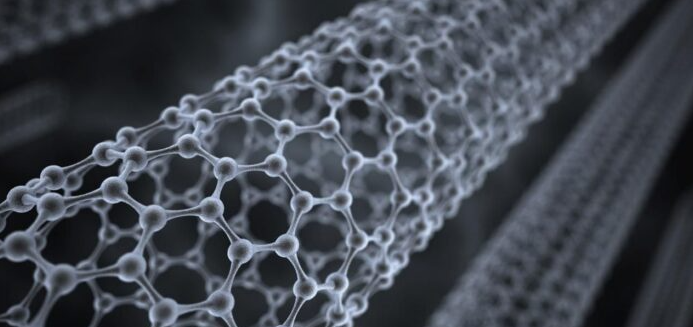
 世界のカーボンナノチューブ市場 2027年~2037年The Global Carbon Nanotubes Market 2027-2037 世界のカーボンナノチューブ(CNT)市場は、単なる期待の段階から商業的な現実へと決定的な転換を遂げました。当初は過度に楽観的な予測や時期尚早な生産能力の拡大、それに続く業界再編といった時... もっと見る
英語原文をAIを使って翻訳しています。

サマリー
世界のカーボンナノチューブ(CNT)市場は、単なる期待の段階から商業的な現実へと決定的な転換を遂げました。当初は過度に楽観的な予測や時期尚早な生産能力の拡大、それに続く業界再編といった時期を経て、現在では明確な価値提案を備えた実用的な用途、成熟したサプライチェーン、そして劇的に低下した生産コストを基盤として市場が成り立っています。 この拡大は、圧倒的に一つの用途、すなわちリチウムイオン電池用の導電性添加剤によって牽引されている。電気自動車(EV)の生産やグリッド規模のエネルギー貯蔵が拡大する中、カーボンブラックよりも高い導電性を発揮しつつ、添加剤の使用量を削減できるCNTは、EVやエネルギー貯蔵用セルにおいて標準となり、持続的で継続的な需要の基盤となっている。 多層カーボンナノチューブ(MWCNT)は、金額・数量の両面で市場を支配している。流動層触媒CVD技術と中国による積極的な生産拡大により、その経済性は一変し、現在、世界のCNT粉末の圧倒的多数を中国が生産している。 各社間の競争と継続的なプロセス改善が相まって、MWCNTはコスト重視の大規模用途に確固たる地位を築いた。単層カーボンナノチューブ(SWCNT)は、最も成長が速く、最も高付加価値なセグメントである。 OCSiAlは依然として主要な生産者であり、シリコン負極、全固体電池、高出力電池の化学系に向けた欧州での生産能力を拡大している。コストの低下に伴い、SWCNTは、以前は経済性がなかった透明導電体、エラストマー、エレクトロニクス、および高級エネルギー貯蔵分野での用途を開拓している。 地域別に見ると、アジア太平洋地域が世界生産量の大部分を消費しており、これは同地域にバッテリー製造が集中していることを反映している。一方、北米と欧州は高付加価値品や特殊グレードに注力しており、生産量よりも技術サポートや用途開発において競合することが多い。 電池分野以外では、ポリマー複合材料が第2位の市場規模を占めており、エレクトロニクス、熱界面材料、建設、コーティング、自動車、航空宇宙の各分野が持続的な二次需要を生み出している。 課題は依然として残っている。均一な分散、ロット間の均一性、SWCNTエレクトロニクス向けのキラル性制御、繊維の形態に関連する残留的な安全性への懸念、そしてカーボンブラック、シリコン、グラフェン、その他の材料からの激しい競争などである。 それにもかかわらず、実証済みの用途、成熟しつつあるサプライチェーン、コストの低下、そしてCO₂由来や廃棄物のアップサイクルを含む新たな持続可能な合成ルートの出現により、カーボンナノチューブは特殊ナノ材料から不可欠な産業用コンポーネントへと移行しつつある。その発見以来認識されてきた変革的な可能性は、世界中の電化、先端製造、次世代エレクトロニクスの分野で、ついに実現されつつある。 『2027年~2037年の世界のカーボンナノチューブ市場』は、この市場に関する詳細な評価を提供している。 カーボンナノチューブの商業化への道のりは紆余曲折をたどってきた。急速かつ広範な普及が期待されていた初期の段階ではその期待は裏切られ、この分野は、複数の生産者が生産能力を縮小または閉鎖する統合期を経た。 現在の状況はより堅固な基盤の上に立っている。限られた数の用途において、明確かつ実証済みの価値提案が確立され、製造プロセスは成熟し、単位コストは初期の水準から大幅に低下している。本レポートは、最近の勢いが必ずしもすべてのセグメントで同じペースで持続すると仮定することなく、この状況を評価している。 需要は集中している。リチウムイオン電池用の導電性添加剤が消費量の大部分を占めており、本報告書では、この依存関係と、単一の下流産業への依存や電池化学の変遷に伴うリスクに特に注目している。 多層カーボンナノチューブは、数量および金額の両面で依然として主要な製品であり続けている一方、単層カーボンナノチューブは、規模は小さいものの高付加価値の分野を占めており、コストと品質の安定性が普及の障壁となり続けている。 二重壁、少壁、薄壁、垂直配向型の各バリエーションは、カーボンナノホーン、カーボンオニオン、窒化ホウ素ナノチューブとともに、開発の初期段階にある特殊なカテゴリーとして扱われている。 本レポートでは、主な製造ルートとその相対的な成熟度、主要メーカーとその公表されている生産能力計画、規制および安全性の状況、特許動向、価格動向について概説しています。また、幅広い最終用途市場における採用状況についても検証しています。 分散性、ロット間の均一性、電子用途におけるキラル性の制御、安全性に対する認識、およびカーボンブラック、シリコン、炭素繊維、グラフェンなどの既存の材料との競合など、根強い障壁についても直接的に取り上げられています。 予測は明示された前提条件に基づいて提示されており、特に成熟度の低いセグメントや予測期間の後半については、確定的なものではなく、あくまで目安として捉えるべきである。 本レポートの目的は、評価のための現実的な根拠を提供することにあります。カーボンナノチューブは特殊材料からより広範な産業用途へと移行しつつありますが、その移行の速度と範囲は、技術的、商業的、規制上の不確実性の影響を受け続けています。 レポートの内容は以下の通りです:
目次
1 エグゼクティブ・サマリー 25
1.1 カーボンナノチューブの世界市場 25
1.1.1 多層カーボンナノチューブ(MWCNTs) 27
1.1.1.1 用途 27
1.1.1.2 主要市場プレイヤー 28
1.1.1.3 MWCNTの生産能力(現在および計画) 28
1.1.1.4 生産者のターゲット市場 29
1.1.1.5 市場別のカーボンナノチューブに対する市場需要 30
1.1.2 単層カーボンナノチューブ(SWCNT) 31
1.1.2 単層カーボンナノチューブ(SWCNT) 311.1.2.1 用途 31
1.1.2.2 現在の生産能力および計画中の生産能力 32
1.1.2.3 世界のSWCNT市場における消費量 33
1.1.3 二重壁、少層壁、および薄壁CNT 34
1.2 2026年以降の市場見通し 35
1.3 商用CNTベース製品 36
1.4 市場の課題 39
1.5 CNT市場の分析 40
1.5.1 製造状況:実験室から工業規模まで 41
1.5.2 市場の動向:供給、需要、および競争力 41
1.5.3 によるエネルギー貯蔵:市場変革の触媒 42
1.5.4 ポリマーの機能強化:多機能材料ソリューション 43
1.5.5 新たな用途 44
1.5.6 競争の動向 45
1.5.7 技術ロードマップと今後の展開 46
1.5.8 課題と限界:市場参入障壁への対処 47
1.5.9 市場の推移と成長予測 47
1.5.10 主要企業 48
1.6 CNTの価格設定 50
2 カーボンナノチューブの概要 52
2.1 特性 53
2.2 CNTの特性比較 54
2.3 カーボンナノチューブ材料 55
2.3.1 CNT内のばらつき 55
2.3.2 高アスペクト比CNT 56
2.3.3 分散技術 56
2.3.4 多層カーボンナノチューブ(MWCNT) 57
2.3.4.1 特性 57
2.3.4.2 応用 57
2.3.5 単層カーボンナノチューブ(SWCNT) 58
2.3.5.1 特性 59
2.3.5.2 応用 59
2.3.5.3 MWCNTとSWCNTの比較 60
2.3.6.1 特性 61
2.3.6.2 応用 61
2.3.7.1 特性 62
2.3.7.2 VACNTの合成 63
2.3.7.3 応用 64
2.3.7.4 VA-CNT関連企業 66
2.3.8.1 特性 67
2.3.8.2 応用 67
2.3.9.1 特性 68
2.3.9.2 用途 68
2.3.10.1 プロパティ 69
2.3.10.2 用途 69
2.3.11.1 特性 70
2.3.11.2 製造 71
2.3.11.3 価格 73
2.3.11.4 用途 73
2.3.11.5 関連企業 75
2.3.6 二重壁カーボンナノチューブ(DWNT) 61
2.3.7 垂直配向カーボンナノチューブ(VACNT) 62
2.3.8 少層カーボンナノチューブ(FWNTs) 67
2.3.9 カーボンナノホーン(CNHs) 68
2.3.10 カーボンオニオン 69
2.3.11 窒化ホウ素ナノチューブ(BNNTs) 70
2.4 中間生成物 76
2.4.1 定義 76
2.4.2 CNTシート 76
2.4.2.1 概要 76
2.4.2.2 用途 77
2.4.2.3 市場参入企業 78
2.4.3 CNT ヤーン 79
2.4.3.1 概要 79
2.4.3.2 特性 79
2.4.3.3 用途 82
2.4.3.4 製造方法 83
2.4.4 CNTフィルム 84
2.4.5 CNT 紙・マット 84
2.4.6 CNT コーティング/インク 85
2.4.7 CNT アレイストリップ 85
3 カーボンナノチューブの合成と製造 86
3.1 アーク放電法による合成 88
3.2 化学気相成長法(CVD) 89
3.2.1 熱CVD 89
3.2.2 プラズマ増強化学気相成長(PECVD) 90
3.2.3 新たなプロセス 90
3.3 高圧一酸化炭素合成 91
3.3.1 高圧 CO (HiPco) 91
3.3.2 CoMoCAT 91
3.4 燃焼合成 92
3.5 流動層CVD(FBCVD) 92
3.6 浮遊触媒CVD/エアロゾルCVD (FCCVD) 92
3.7 単層カーボンナノチューブ(SWCNT)の制御成長 93
3.8 ハイブリッドCNT 93
3.9 火炎合成 94
3.10 レーザーアブレーション法による合成 94
3.11 垂直配向ナノチューブの作製 95
3.12 シラン溶液法 96
3.13 水を利用した「超成長」CVDおよびeDIPS 96
3.14 溶融塩 CO₂ 電解(電気化学合成) 96
3.15 熱プラズマ/プラズマトーチ合成 96
3.16 触媒を用いたメタン熱分解(CNTおよび水素の共生産) 97
3.17 触媒熱分解および原料のアップサイクリング 97
3.18.1 電気化学的変換による CO2 由来の製品 100
3.18.2 環境に優しい原料または廃棄物由来のCNT 102
3.18.3 環境に優しい原料または廃棄物原料からの先端炭素材料 103
3.18.4 回収CO₂をCNTの原料として利用 103
3.18.5 溶融塩中での電解 104
3.18.6 メタン熱分解 105
3.18.7 炭素分離技術 106
3.18.7.1 吸収による回収 107
3.18.7.2 吸着による回収 110
3.18.7.3 膜 112
3.18.8 生産者 113
3.18 炭素回収に伴う副産物 99
3.19 CNT 合成法の長所と短所 114
4 規制 116
4.1 CNTの規制と安全性 116
4.2 世界各国の規制 116
4.3 ナノ材料に関する世界的な規制機関 117
4.4 MWCNTの調和分類 118
4.5 現行規制の不備 118
4.6 CNTの安全性と曝露 119
5 カーボンナノチューブの特許 122
6 カーボンナノチューブの価格 124
6.1 MWCNT 124
6.2 SWCNTおよびFWCNT 125
6.3 価格見通し 125
7 カーボンナノチューブの市場 126
7.1 電池 126
7.1.1 市場の概要 126
7.1.2 世界のエネルギー貯蔵市場 128
7.1.3 リチウム電池の種類 129
7.1.4 リチウムイオン電池の性能と技術の沿革 130
7.1.5 セルのエネルギー 130
7.1.6 用途 131
7.1.6.1 リチウムイオン電池におけるカーボンナノチューブ 132
7.1.6.2 リチウム・硫黄(Li-S)電池におけるCNT 136
7.1.6.3 ナトリウムイオン電池のナノ材料におけるCNT 137
7.1.6.4 リチウム-空気電池におけるナノ材料としてのCNT 138
7.1.6.5 フレキシブルおよび伸縮性電池におけるCNT 139
7.1.7 導電性添加剤のメカニズム 143
7.1.8 電子輸送の促進 143
7.1.9 界面工学 144
7.1.10 安定化メカニズム 144
7.1.11 高いCレートにおける性能の向上 145
7.1.12 カーボンナノチューブの機械的特性 145
7.1.13 分散の質 146
7.1.14 ハイブリッド導電性炭素材料 146
7.1.15 シリコン負極の実装 147
7.1.16 SWCNT 148
7.1.17 製造の統合 149
7.1.17.1 プロセスの最適化 149
7.1.17.2 品質管理 150
7.1.17.3 スケールアップの課題 150
7.1.18.1 代替案とのコスト比較 151
7.1.18.2 価値提案 151
7.1.18 コスト・パフォーマンス分析 151
7.1.19 パフォーマンス上のメリットの定量化 152
7.1.20 技術ベンチマーク 152
7.1.22.1 収益 153
7.1.22.2 トン 154
7.1.21 技術の道筋 152
7.1.22 世界市場:過去の実績および2037年までの予測 153
7.1.23 製品開発企業 155
7.2 スーパーキャパシタ 158
7.2.1 市場の概要 158
7.2.2 スーパーキャパシタの概要 159
7.2.3 スーパーキャパシタと電池の比較 160
7.2.4 スーパーキャパシタ技術 160
7.2.5 メリット 162
7.2.6 課題 162
7.2.7 応用 163
7.2.7.1 スーパーキャパシタ電極におけるCNT 163
7.2.7.2 フレキシブルおよび伸縮性スーパーキャパシタにおけるCNTの応用 166
7.2.8 技術ロードマップ 166
7.2.9 世界市場:過去実績および2037年までの予測 167
7.2.10 製品開発企業 168
7.3.1 市場の概要 169
7.3.2 ポリマー複合材料におけるナノカーボン 169
7.3.3 複合材料へのCNTの組み込み 170
7.3.4 導電性複合材料 171
7.3.4.1 MWCNT 171
7.3.4.2 用途 172
7.3.4.3 製品 176
7.3.4.4 特性 176
7.3.4.5 導電性エポキシ 178
7.3.5 繊維系ポリマー複合材料部品 179
7.3.5.1 技術の道筋 183
7.3.5.2 用途 183
7.3.6.1 CNT-銅複合材料 185
7.3.7.1 カーボンナノチューブの統合 188
7.3.7.2 シリコーンエラストマー 188
7.3.6 金属マトリックス複合材料 184
7.3.7 エラストマー 188
7.3.8 世界市場:過去データおよび2037年までの予測 189
7.3.9 製品開発企業 190
7.4.1 市場の概要 193
7.4.2 用途 193
7.4.3 世界市場:過去データおよび2037年までの予測 195
7.4.4 製品開発企業 196
7.5.1 市場の概要 197
7.5.2 用途 197
7.5.3 技術ロードマップ 198
7.5.4 世界市場(トン単位)、過去データおよび2037年までの予測 199
7.5.5 製品開発企業 200
7.6.1 市場の概要 201
7.6.2 用途 202
7.6.3 技術ロードマップ 202
7.6.4 世界市場(トン単位)、過去実績および2037年までの予測 203
7.6.5 製品開発企業 204
7.7.1 ウェアラブルおよびフレキシブルエレクトロニクスおよびディスプレイ 206
7.7.1.1 市場の概要 206
7.7.1.2 技術の進展 208
7.7.1.3 用途 209
7.7.1.4 世界市場:過去の実績および2037年までの予測 214
7.7.1.5 製品開発企業 215
7.7.2 トランジスタおよび集積回路 216
7.7.2.1 市場の概要 216
7.7.2.2 用途 218
7.7.2.3 技術の進展 219
7.7.2.4 世界市場:過去の実績および2037年までの予測 219
7.7.2.5 製品開発企業 220
7.7.3.1 市場の概要 221
7.7.3.2 技術の進展経路 223
7.7.3.3 世界市場(トン単位)、過去データおよび2037年までの予測 224
7.7.3.4 製品開発企業 225
7.7.3 メモリデバイス 221
7.8.1 量子コンピュータにおけるCNT 227
7.8.2 CNT 量子ビット 227
7.9.1 市場の概要 228
7.9.2 用途 229
7.9.2.1 ゴム用添加剤 230
7.9.2.2 センサー 231
7.9.3 技術の進展 232
7.9.4 世界市場(トン単位)、過去実績および2037年までの予測 232
7.9.5 製品開発企業 233
7.10.1 市場の概要 235
7.10.2 用途 237
7.10.3 技術の進展 237
7.10.4 世界市場(トン単位):過去実績および2037年までの予測 238
7.10.5 製品開発企業 239
7.11.1 市場の概要 241
7.11.2 用途 242
7.11.3 技術の進展 243
7.11.4 世界市場(トン単位):過去データおよび2037年までの予測 244
7.11.5 製品開発企業 244
7.12.1 市場の概要 245
7.12.2 技術ロードマップ 246
7.12.3 用途 247
7.12.3.1 セメント 247
7.12.3.2 アスファルト・ビチューメン 248
7.12.3.3 グリーン建設 249
7.12.3.4 コンクリートの補強メカニズム 251
7.12.4 世界市場(トン単位)、過去データおよび2037年までの予測 253
7.12.5 製品開発企業 255
7.13.1 市場の概要 256
7.13.2 用途 259
7.13.3 技術の進展 259
7.13.4 世界市場(トン単位):過去実績および2037年までの予測 259
7.13.5 製品開発企業 261
7.14.1 市場の概要 262
7.14.2 用途 265
7.14.3 技術の進展 265
7.14.4 世界市場(トン単位):過去実績および2037年までの予測 266
7.14.5 製品開発企業 267
7.15.1 市場の概要 268
7.15.2 用途 271
7.15.3 技術の進展 272
7.15.3.1 薬物送達 272
7.15.3.2 イメージングおよび診断 273
7.15.3.3 インプラント 274
7.15.3.4 医療用バイオセンサー 274
7.15.3.5 創傷ケア 275
7.15.4 世界市場(トン単位)、過去データおよび2037年までの予測 276
7.15.5 製品開発企業 277
7.16.1 市場の概要 279
7.16.2 用途 281
7.16.3 技術の進展 281
7.16.4 世界市場(トン単位):過去実績および2037年までの予測 282
7.16.5 製品開発企業 283
7.17.1 市場の概要 285
7.17.2 用途 286
7.17.3 技術の進展 287
7.17.4 世界市場(トン単位):過去実績および2037年までの予測 287
7.17.5 製品開発企業 289
7.18.1 市場の概要 290
7.18.2 用途 295
7.18.2.1 防食コーティング 295
7.18.2.2 導電性コーティング 296
7.18.2.3 EMI シールド 296
7.18.3 技術の進展経路 297
7.18.4 世界市場(トン単位)、過去実績および2037年までの予測 297
7.18.5 製品開発企業 299
7.19.1 技術の進展経路 301
7.19.2 世界市場(トン単位):過去データおよび2037年までの予測 302
7.19.3 製品開発企業 303
7.20.1 市場の概要 305
7.20.2 用途 307
7.20.2.1 ガスセンサー 307
7.20.2.2 プリント型湿度センサー 309
7.20.2.3 LiDAR センサー 309
7.20.2.4 酸素センサー 310
7.20.3 技術ロードマップ 310
7.20.4 世界市場(トン単位)、過去実績および2037年までの予測 311
7.20.5 製品開発企業 312
7.21.1 市場の概要 313
7.21.2 用途 316
7.21.3 技術の進展 316
7.21.4 世界市場(トン単位):過去実績および2037年までの予測 317
7.21.5 製品開発企業 318
7.22.1 市場の概要 319
7.22.2 炭素系TIM 321
7.22.2.1 VACNT TIM 322
7.22.2.2 MWCNT 324
7.22.2.3 単壁カーボンナノチューブ(SWCNT) 324
7.22.2.4 窒化ホウ素ナノチューブ(BNNT) 324
7.22.3 技術ロードマップ 325
7.22.4 世界市場(トン単位)、過去実績および2037年までの予測 326
7.23.1 市場の概要 328
7.23.2 技術の進展 328
7.3 ポリマー添加剤およびエラストマー 169
7.4 3D プリンティング 193
7.5 接着剤 197
7.6 航空宇宙 201
7.7 エレクトロニクス 206
7.8 量子コンピューティング 227
7.9 ゴム・タイヤ 228
7.10 自動車 235
7.11 導電性インク 241
7.12 建設 245
7.13 ろ過 256
7.14 燃料電池 262
7.15 ライフサイエンスおよび医療 268
7.16 潤滑油 279
7.17 石油・ガス 285
7.18 塗料およびコーティング 290
7.19 太陽光発電 300
7.20 センサー 305
7.21 スマート・電子テキスタイル 313
7.22 熱界面材料 319
7.23 電力ケーブル 328
8 企業プロフィール:多層カーボンナノチューブ 330 (119 社の企業プロフィール)
9 企業プロフィール:単層カーボンナノチューブ 419 (15社の企業プロフィール)
10 企業プロファイル:その他のタイプ(窒化ホウ素ナノチューブ、二重壁ナノチューブなど) 436(5社の企業プロファイル)
11 調査方法 441
12 参考文献 442
図表リストList of Tables
List of Figures

Summary
The global carbon nanotube (CNT) market has moved decisively from speculative promise to commercial reality. After an early period of over-optimistic projections, premature capacity expansion and subsequent industry consolidation, the market now rests on genuine applications with clear value propositions, matured supply chains and dramatically lower production costs. This expansion is driven overwhelmingly by one application: conductive additives for lithium-ion batteries. As electric-vehicle production and grid-scale energy storage scale up, CNTs — which deliver higher conductivity than carbon black while allowing less additive to be used — have become standard in EV and energy-storage cells, anchoring durable, recurring demand. Multi-walled carbon nanotubes (MWCNTs) dominate both value and volume. Their economics have been transformed by fluidized-bed catalytic CVD and aggressive Chinese scale-up, and China now produces the overwhelming majority of global CNT powder. Competition among players, combined with continuous process improvement, has pushed MWCNTs firmly into cost-sensitive, high-volume applications. Single-walled carbon nanotubes (SWCNTs) represent the fastest-growing and highest-value segment. OCSiAl remains the dominant producer, scaling its European capacity toward silicon-anode, solid-state and high-power battery chemistries. As costs have fallen, SWCNTs have opened applications in transparent conductors, elastomers, electronics and premium energy storage that were previously uneconomical. Geographically, Asia-Pacific consumes the majority of global volume, reflecting its concentration of battery manufacturing, while North America and Europe focus on higher-value and specialty grades, often competing on technical support and application development rather than tonnage. Beyond batteries, polymer composites form the second-largest sector, with electronics, thermal-interface materials, construction, coatings, automotive and aerospace providing durable secondary demand. Challenges persist: homogeneous dispersion, batch-to-batch consistency, chirality control for SWCNT electronics, residual safety perceptions linked to fibre morphology, and intense competition from carbon black, silicon, graphene and other materials. Nevertheless, with validated applications, maturing supply chains, falling costs and emerging sustainable synthesis routes — including CO₂-derived and waste-upcycled production — carbon nanotubes are transitioning from specialty nanomaterials to essential industrial components. Their transformative potential, recognised since their discovery, is finally being realised across electrification, advanced manufacturing and next-generation electronics worldwide. The Global Carbon Nanotubes Market 2027–2037 provides an indepth assessment of this market. Carbon nanotubes have followed an uneven path to commercialisation. Early expectations of rapid, broad adoption were not met, and the sector passed through a period of consolidation in which several producers reduced or closed capacity. The current position is more soundly based. A limited number of applications now have clear, validated value propositions, production processes have matured, and unit costs have fallen substantially from their early levels. The report assesses this landscape without assuming that recent momentum will necessarily be sustained at the same pace across all segments. Demand is concentrated. Conductive additives for lithium-ion batteries account for the majority of consumption, and the report gives particular attention to this dependency and the risks it carries, including exposure to a single downstream industry and to shifts in battery chemistry. Multi-walled carbon nanotubes remain the dominant product by volume and value, while single-walled carbon nanotubes occupy a smaller, higher-value position where cost and consistency continue to constrain uptake. Double-walled, few-walled, thin-walled and vertically aligned variants, together with carbon nanohorns, carbon onions and boron nitride nanotubes, are treated as specialised categories at earlier stages of development. The report reviews the main production routes and their relative maturity, the principal producers and their stated capacity plans, the regulatory and safety context, the patent landscape and pricing trends. Adoption is examined across a broad range of end-use markets. Persistent barriers are addressed directly, including dispersion, batch-to-batch consistency, chirality control for electronic applications, safety perception, and competition from established materials such as carbon black, silicon, carbon fibre and graphene. Forecasts are presented with stated assumptions and should be read as indicative rather than definitive, particularly for the less mature segments and the later years of the period. The report's purpose is to provide a realistic basis for assessment: carbon nanotubes are transitioning from specialty materials toward wider industrial use, but the rate and breadth of that transition remain subject to technical, commercial and regulatory uncertainty. Report contents include:
Table of Contents
1 EXECUTIVE SUMMARY 25
1.1 The global market for carbon nanotubes 25
1.1.1 Multi-walled carbon nanotubes (MWCNTs) 27
1.1.1.1 Applications 27
1.1.1.2 Main market players 28
1.1.1.3 MWCNT production capacities, current and planned 28
1.1.1.4 Target market for producers 29
1.1.1.5 Market demand for carbon nanotubes by market 30
1.1.2 Single-walled carbon nanotubes (SWCNTs) 31
1.1.2.1 Applications 31
1.1.2.2 Production capacities current and planned 32
1.1.2.3 Global SWCNT market consumption 33
1.1.3 Double, Few and Thin-Walled CNTs 34
1.2 Market Outlook 2026 and beyond 35
1.3 Commercial CNT-based products 36
1.4 Market Challenges 39
1.5 CNTs Market Analysis 40
1.5.1 Manufacturing Landscape: From Laboratory to Industrial Scale 41
1.5.2 Market Dynamics: Supply, Demand, and Competitive Forces 41
1.5.3 Energy Storage: The Catalyst for Market Transformation 42
1.5.4 Polymer Enhancement: Multifunctional Material Solutions 43
1.5.5 Emerging Applications 44
1.5.6 Competitive Dynamics 45
1.5.7 Technology Roadmap and Future Developments 46
1.5.8 Challenges and Limitations: Addressing Market Barriers 47
1.5.9 Market Evolution and Growth Projections 47
1.5.10 Leading Industry Players 48
1.6 CNT Pricing 50
2 OVERVIEW OF CARBON NANOTUBES 52
2.1 Properties 53
2.2 Comparative properties of CNTs 54
2.3 Carbon nanotube materials 55
2.3.1 Variations within CNTs 55
2.3.2 High Aspect Ratio CNTs 56
2.3.3 Dispersion technology 56
2.3.4 Multi-walled nanotubes (MWCNT) 57
2.3.4.1 Properties 57
2.3.4.2 Applications 57
2.3.5 Single-wall carbon nanotubes (SWCNT) 58
2.3.5.1 Properties 59
2.3.5.2 Applications 59
2.3.5.3 Comparison between MWCNTs and SWCNTs 60
2.3.6.1 Properties 61
2.3.6.2 Applications 61
2.3.7.1 Properties 62
2.3.7.2 Synthesis of VACNTs 63
2.3.7.3 Applications 64
2.3.7.4 VA-CNT Companies 66
2.3.8.1 Properties 67
2.3.8.2 Applications 67
2.3.9.1 Properties 68
2.3.9.2 Applications 68
2.3.10.1 Properties 69
2.3.10.2 Applications 69
2.3.11.1 Properties 70
2.3.11.2 Manufacturing 71
2.3.11.3 Pricing 73
2.3.11.4 Applications 73
2.3.11.5 Companies 75
2.3.6 Double-walled carbon nanotubes (DWNTs) 61
2.3.7 Vertically aligned CNTs (VACNTs) 62
2.3.8 Few-walled carbon nanotubes (FWNTs) 67
2.3.9 Carbon Nanohorns (CNHs) 68
2.3.10 Carbon Onions 69
2.3.11 Boron Nitride nanotubes (BNNTs) 70
2.4 Intermediate products 76
2.4.1 Definitions 76
2.4.2 CNT Sheets 76
2.4.2.1 Overview 76
2.4.2.2 Applications 77
2.4.2.3 Market players 78
2.4.3 CNT Yarns 79
2.4.3.1 Overview 79
2.4.3.2 Properties 79
2.4.3.3 Applications 82
2.4.3.4 Manufacturing Methods 83
2.4.4 CNT Films 84
2.4.5 CNT Paper/Mats 84
2.4.6 CNT Coatings/Inks 85
2.4.7 CNT Array Strips 85
3 CARBON NANOTUBE SYNTHESIS AND PRODUCTION 86
3.1 Arc discharge synthesis 88
3.2 Chemical Vapor Deposition (CVD) 89
3.2.1 Thermal CVD 89
3.2.2 Plasma enhanced chemical vapor deposition (PECVD) 90
3.2.3 Emerging processes 90
3.3 High-pressure carbon monoxide synthesis 91
3.3.1 High Pressure CO (HiPco) 91
3.3.2 CoMoCAT 91
3.4 Combustion synthesis 92
3.5 Fluidized-bed CVD (FBCVD) 92
3.6 Floating-catalyst CVD / aerosol CVD (FCCVD) 92
3.7 Controlled growth of SWCNTs 93
3.8 Hybrid CNTs 93
3.9 Flame synthesis 94
3.10 Laser ablation synthesis 94
3.11 Vertically aligned nanotubes production 95
3.12 Silane solution method 96
3.13 Water-assisted "super-growth" CVD and eDIPS 96
3.14 Molten-salt CO₂ electrolysis (electrochemical synthesis) 96
3.15 Thermal-plasma / plasma-torch synthesis 96
3.16 Catalytic methane pyrolysis (CNT and hydrogen co-production) 97
3.17 Catalytic pyrolysis and feedstock upcycling 97
3.18.1 CO2 derived products via electrochemical conversion 100
3.18.2 CNTs from green or waste feedstock 102
3.18.3 Advanced carbons from green or waste feedstocks 103
3.18.4 Captured CO₂as a CNT feedstock 103
3.18.5 Electrolysis in molten salts 104
3.18.6 Methane pyrolysis 105
3.18.7 Carbon separation technologies 106
3.18.7.1 Absorption capture 107
3.18.7.2 Adsorption capture 110
3.18.7.3 Membranes 112
3.18.8 Producers 113
3.18 By-products from carbon capture 99
3.19 Advantages and disadvantages of CNT synthesis methods 114
4 REGULATIONS 116
4.1 Regulation and safety of CNTs 116
4.2 Global regulations 116
4.3 Global Regulatory Bodies for Nanomaterials 117
4.4 Harmonized Classification of MWCNTs 118
4.5 Gaps in the Current Regulations 118
4.6 CNT Safety and Exposure 119
5 CARBON NANOTUBES PATENTS 122
6 CARBON NANOTUBES PRICING 124
6.1 MWCNTs 124
6.2 SWCNTs and FWCNTs 125
6.3 Pricing outlook 125
7 MARKETS FOR CARBON NANOTUBES 126
7.1 BATTERIES 126
7.1.1 Market overview 126
7.1.2 The global energy storage market 128
7.1.3 Types of lithium battery 129
7.1.4 Li-ion performance and technology timeline 130
7.1.5 Cell energy 130
7.1.6 Applications 131
7.1.6.1 Carbon Nanotubes in Li-ion Batteries 132
7.1.6.2 CNTs in Lithium–sulfur (Li–S) batteries 136
7.1.6.3 CNTs in Nanomaterials in Sodium-ion batteries 137
7.1.6.4 CNTs in Nanomaterials in Lithium-air batteries 138
7.1.6.5 CNTs in Flexible and stretchable batteries 139
7.1.7 Conductive Additive Mechanisms 143
7.1.8 Electron transport enhancement 143
7.1.9 Interface engineering 144
7.1.10 Stability mechanisms 144
7.1.11 Improved performance at higher C-rate 145
7.1.12 Carbon nanotube mechanical properties 145
7.1.13 Dispersion quality 146
7.1.14 Hybrid Conductive Carbon Materials 146
7.1.15 Silicon anode implementation 147
7.1.16 SWCNTs 148
7.1.17 Manufacturing Integration 149
7.1.17.1 Process optimization 149
7.1.17.2 Quality control 150
7.1.17.3 Scale-up challenges 150
7.1.18.1 Cost comparison with alternatives 151
7.1.18.2 Value proposition 151
7.1.18 Cost-Performance Analysis 151
7.1.19 Performance benefits quantification 152
7.1.20 Technology benchmarking 152
7.1.22.1 Revenues 153
7.1.22.2 Tons 154
7.1.21 Technology pathways 152
7.1.22 Global market, historical and forecast to 2037 153
7.1.23 Product developers 155
7.2 SUPERCAPACITORS 158
7.2.1 Market overview 158
7.2.2 Supercapacitors overview 159
7.2.3 Supercapacitors vs batteries 160
7.2.4 Supercapacitor technologies 160
7.2.5 Benefits 162
7.2.6 Challenges 162
7.2.7 Applications 163
7.2.7.1 CNTs in Supercapacitor electrodes 163
7.2.7.2 CNTs in Flexible and stretchable supercapacitors 166
7.2.8 Technology pathways 166
7.2.9 Global market, historical and forecast to 2037 167
7.2.10 Product developers 168
7.3.1 Market overview 169
7.3.2 Nanocarbons in polymer composites 169
7.3.3 Incorporating CNTs in composites 170
7.3.4 Conductive composites 171
7.3.4.1 MWCNTs 171
7.3.4.2 Applications 172
7.3.4.3 Products 176
7.3.4.4 Properties 176
7.3.4.5 Conductive epoxy 178
7.3.5 Fiber-based polymer composite parts 179
7.3.5.1 Technology pathways 183
7.3.5.2 Applications 183
7.3.6.1 CNT copper composites 185
7.3.7.1 Carbon nanotube integration 188
7.3.7.2 Silicone elastomers 188
7.3.6 Metal-matrix composites 184
7.3.7 Elastomers 188
7.3.8 Global market, historical and forecast to 2037 189
7.3.9 Product developers 190
7.4.1 Market overview 193
7.4.2 Applications 193
7.4.3 Global market, historical and forecast to 2037 195
7.4.4 Product developers 196
7.5.1 Market overview 197
7.5.2 Applications 197
7.5.3 Technology pathways 198
7.5.4 Global market in tons, historical and forecast to 2037 199
7.5.5 Product developers 200
7.6.1 Market overview 201
7.6.2 Applications 202
7.6.3 Technology pathways 202
7.6.4 Global market in tons, historical and forecast to 2037 203
7.6.5 Product developers 204
7.7.1 WEARABLE & FLEXIBLE ELECTRONICS AND DISPLAYS 206
7.7.1.1 Market overview 206
7.7.1.2 Technology pathways 208
7.7.1.3 Applications 209
7.7.1.4 Global market, historical and forecast to 2037 214
7.7.1.5 Product developers 215
7.7.2 TRANSISTORS AND INTEGRATED CIRCUITS 216
7.7.2.1 Market overview 216
7.7.2.2 Applications 218
7.7.2.3 Technology pathways 219
7.7.2.4 Global market, historical and forecast to 2037 219
7.7.2.5 Product developers 220
7.7.3.1 Market overview 221
7.7.3.2 Technology pathways 223
7.7.3.3 Global market in tons, historical and forecast to 2037 224
7.7.3.4 Product developers 225
7.7.3 MEMORY DEVICES 221
7.8.1 CNTs in Quantum computers 227
7.8.2 CNT qubits 227
7.9.1 Market overview 228
7.9.2 Applications 229
7.9.2.1 Rubber additives 230
7.9.2.2 Sensors 231
7.9.3 Technology pathways 232
7.9.4 Global market in tons, historical and forecast to 2037 232
7.9.5 Product developers 233
7.10.1 Market overview 235
7.10.2 Applications 237
7.10.3 Technology pathways 237
7.10.4 Global market in tons, historical and forecast to 2037 238
7.10.5 Product developers 239
7.11.1 Market overview 241
7.11.2 Applications 242
7.11.3 Technology pathways 243
7.11.4 Global market in tons, historical and forecast to 2037 244
7.11.5 Product developers 244
7.12.1 Market overview 245
7.12.2 Technology pathways 246
7.12.3 Applications 247
7.12.3.1 Cement 247
7.12.3.2 Asphalt bitumen 248
7.12.3.3 Green Construction 249
7.12.3.4 Concrete Strengthening Mechanisms 251
7.12.4 Global market in tons, historical and forecast to 2037 253
7.12.5 Product developers 255
7.13.1 Market overview 256
7.13.2 Applications 259
7.13.3 Technology pathways 259
7.13.4 Global market in tons, historical and forecast to 2037 259
7.13.5 Product developers 261
7.14.1 Market overview 262
7.14.2 Applications 265
7.14.3 Technology pathways 265
7.14.4 Global market in tons, historical and forecast to 2037 266
7.14.5 Product developers 267
7.15.1 Market overview 268
7.15.2 Applications 271
7.15.3 Technology pathways 272
7.15.3.1 Drug delivery 272
7.15.3.2 Imaging and diagnostics 273
7.15.3.3 Implants 274
7.15.3.4 Medical biosensors 274
7.15.3.5 Woundcare 275
7.15.4 Global market in tons, historical and forecast to 2037 276
7.15.5 Product developers 277
7.16.1 Market overview 279
7.16.2 Applications 281
7.16.3 Technology pathways 281
7.16.4 Global market in tons, historical and forecast to 2037 282
7.16.5 Product developers 283
7.17.1 Market overview 285
7.17.2 Applications 286
7.17.3 Technology pathways 287
7.17.4 Global market in tons, historical and forecast to 2037 287
7.17.5 Product developers 289
7.18.1 Market overview 290
7.18.2 Applications 295
7.18.2.1 Anti-corrosion coatings 295
7.18.2.2 Conductive coatings 296
7.18.2.3 EMI Shielding 296
7.18.3 Technology pathways 297
7.18.4 Global market in tons, historical and forecast to 2037 297
7.18.5 Product developers 299
7.19.1 Technology pathways 301
7.19.2 Global market in tons, historical and forecast to 2037 302
7.19.3 Product developers 303
7.20.1 Market overview 305
7.20.2 Applications 307
7.20.2.1 Gas sensors 307
7.20.2.2 Printed humidity sensors 309
7.20.2.3 LiDAR sensors 309
7.20.2.4 Oxygen sensors 310
7.20.3 Technology pathways 310
7.20.4 Global market in tons, historical and forecast to 2037 311
7.20.5 Product developers 312
7.21.1 Market overview 313
7.21.2 Applications 316
7.21.3 Technology pathways 316
7.21.4 Global market in tons, historical and forecast to 2037 317
7.21.5 Product developers 318
7.22.1 Market overview 319
7.22.2 Carbon-based TIMs 321
7.22.2.1 VACNT TIMs 322
7.22.2.2 MWCNTs 324
7.22.2.3 SWCNTS 324
7.22.2.4 Boron Nitride nanotubes (BNNTs) 324
7.22.3 Technology pathways 325
7.22.4 Global market in tons, historical and forecast to 2037 326
7.23.1 Market overview 328
7.23.2 Technology pathways 328
7.3 POLYMER ADDITIVES AND ELASTOMERS 169
7.4 3D PRINTING 193
7.5 ADHESIVES 197
7.6 AEROSPACE 201
7.7 ELECTRONICS 206
7.8 QUANTUM COMPUTING 227
7.9 RUBBER AND TIRES 228
7.10 AUTOMOTIVE 235
7.11 CONDUCTIVE INKS 241
7.12 CONSTRUCTION 245
7.13 FILTRATION 256
7.14 FUEL CELLS 262
7.15 LIFE SCIENCES AND MEDICINE 268
7.16 LUBRICANTS 279
7.17 OIL AND GAS 285
7.18 PAINTS AND COATINGS 290
7.19 PHOTOVOLTAICS 300
7.20 SENSORS 305
7.21 SMART AND ELECTRONIC TEXTILES 313
7.22 THERMAL INTERFACE MATERIALS 319
7.23 POWER CABLES 328
8 COMPANY PROFILES: MULTI-WALLED CARBON NANOTUBES 330 (119 company profiles)
9 COMPANY PROFILES: SINGLE-WALLED CARBON NANOTUBES 419 (15 company profiles)
10 COMPANY PROFILES: OTHER TYPES (Boron Nitride nanotubes, double-walled nanotubes etc.) 436 (5 company profiles)
11 RESEARCH METHODOLOGY 441
12 REFERENCES 442
List of Tables/GraphsList of Tables
List of Figures
ご注文は、お電話またはWEBから承ります。お見積もりの作成もお気軽にご相談ください。本レポートと同分野(高分子材料)の最新刊レポート
Future Markets, inc.社の アドバンスドマテリアル分野 での最新刊レポート本レポートと同じKEY WORD(carbon)の最新刊レポート
よくあるご質問Future Markets, inc.社はどのような調査会社ですか?Future Markets, inc.は先端技術に焦点をあてたスウェーデンの調査会社です。 2009年設立のFMi社は先端素材、バイオ由来の素材、ナノマテリアルの市場をトラッキングし、企業や学... もっと見る 調査レポートの納品までの日数はどの程度ですか?在庫のあるものは速納となりますが、平均的には 3-4日と見て下さい。
注文の手続きはどのようになっていますか?1)お客様からの御問い合わせをいただきます。
お支払方法の方法はどのようになっていますか?納品と同時にデータリソース社よりお客様へ請求書(必要に応じて納品書も)を発送いたします。
データリソース社はどのような会社ですか?当社は、世界各国の主要調査会社・レポート出版社と提携し、世界各国の市場調査レポートや技術動向レポートなどを日本国内の企業・公官庁及び教育研究機関に提供しております。
|
|